
Listening to nature
For farmers living on the slopes of Mount Merapi, the volcano is more than a mountain—it is a sacred living presence. Its springs and rivers nourish the entire environment, including humans and rice fields. But in the mid-1990s, unregulated sand mining began to scar the watershed. Hundreds of trucks rumbled through villages each day, stirring up dust and noise. Water tables dropped. Soil lost its fertility. Wildlife reduced. The social cohesion began to unravel. Alcohol and prostitution crept in, and those who spoke out faced intimidation.
Faith in action
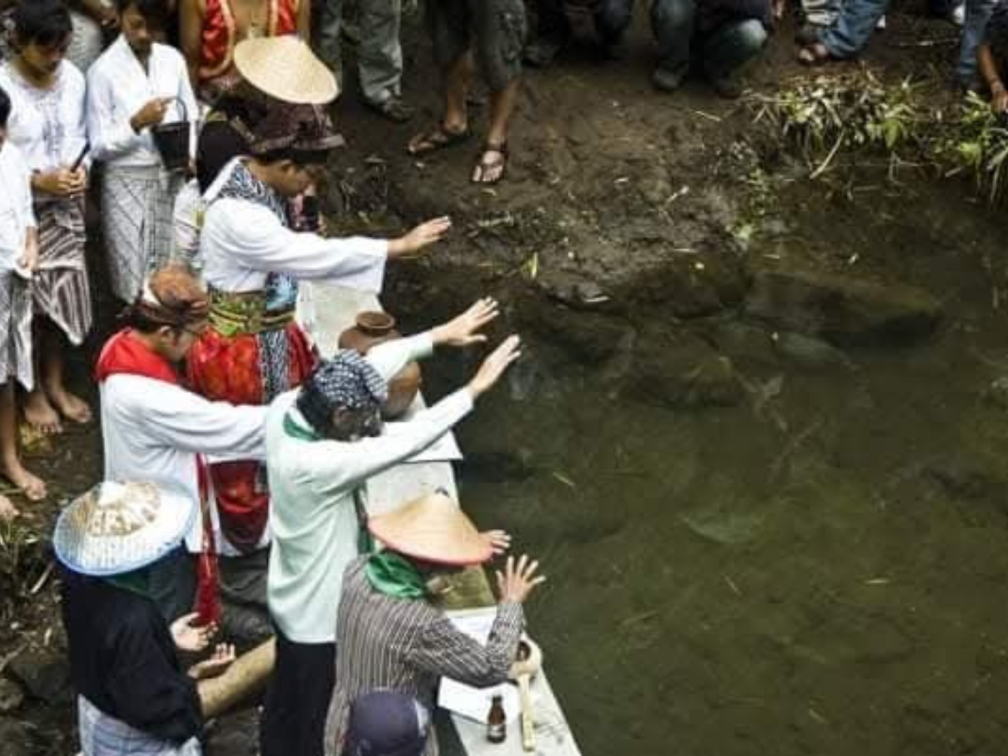
In the face of these challenges, the Catholic Parish of Ngargomulyo in Central Java chose a community-rooted approach to tackle the issues. Parishioners, environmentalists, and scholars came together to reflect on what had been lost due to sand mining. One significant thing for them as farmers was water. On 16 February 2015, this reflection gave birth to Gerakan Masyarakat Cinta Air (GMCA), the Movement of People Who Love Water. GMCA’s mission was practical and spiritual. It proposed water conservation, resisted unregulated mining, weaved local culture into advocacy, and brought ecological awareness into church liturgy. In practice, it included reforesting hillsides and cleaning rivers and springs.
GMCA draws its strength from tradition and spirituality. People understood that neither protest nor technical solutions alone would be enough. They turned to Javanese cosmology “sedulur papat lima pancer,” and enculturated it with Catholic theology. “Sedulur papat lima pancer” is a Javanese philosophy, considering that each person comes into the world accompanied by four spiritual siblings—earth, water, wind, and fire. In this way, humans live in unity with these elements, not above them, but alongside them, bound together in kinship.
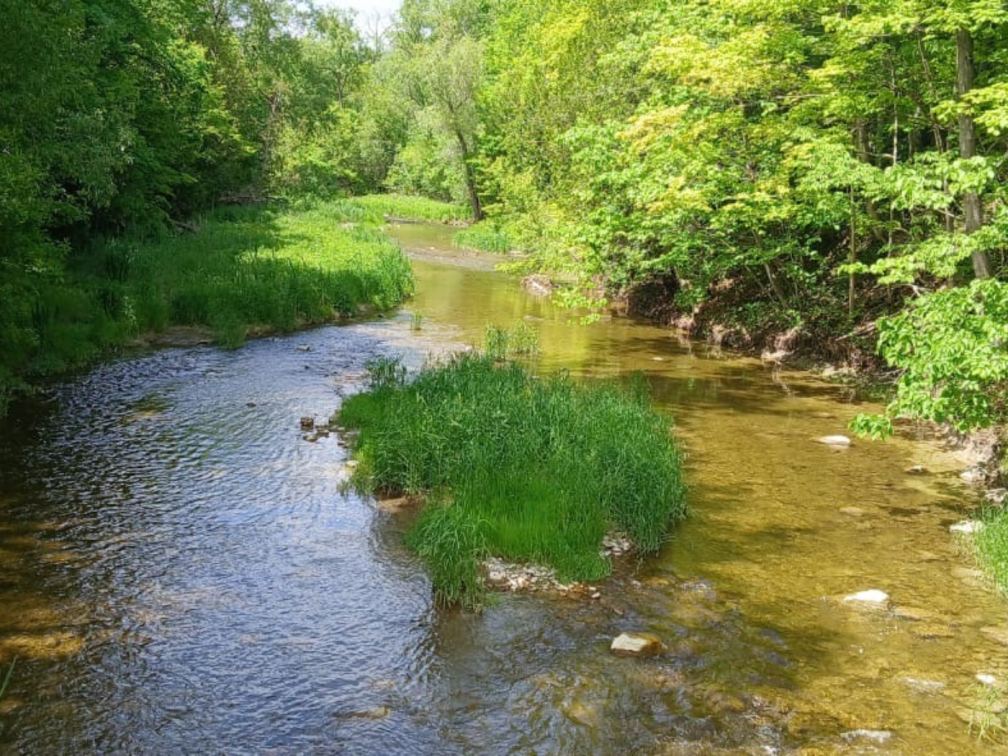
For these farmers, water is far more than a resource. It is a cosmic inseparable sibling. To harm water is to harm oneself. This deep sense of connection echoes Catholic theology, which teaches that nature, including water, is God’s creation, and therefore, is sacred. Water flows through the heart of crucified Jesus. Water is used in baptism and blessings, symbolizing purity, renewal, and grace. Both Javanese cosmology and Catholic faith remind humans that water is God’s blessing to be used, respected and protected. This blend of traditions and spirituality becomes visible during “Peasant Christmas” celebrations. Outdoor celebrations are held at various locations, such as springs, former mining sites, or rice fields. During these events, springs, seeds, agricultural equipment, and cattle are often blessed, restoring their sense of sacredness. These celebrations attract people from different religious backgrounds, with Muslim neighbours participating in Christmas celebrations, united by a shared reverence for water.
The cultural, moral and spiritual centre
Farmer-philosopher Wes Jackson once distinguished between “problems in agriculture”: like soil loss or water scarcity, and “the problem of agriculture”: human’s lost connection with nature. Most global solutions focus on quick fixes, including new technology, better irrigation, and improved policies. But as GMCA’s story shows, these efforts often miss the deeper need: to restore the relationship between people and nature.
By grounding their struggle in Catholic social teaching, especially the belief that water is a universal human right, and in the Javanese tradition that water is a cosmic sibling, the people of Ngargomulyo have given their movement moral weight and spiritual depth.
The message from Merapi’s slopes is simple but powerful: When water is considered as sacred, defending it is more than an environmental act. It is an act of faith. It crosses religious boundaries, and sustains nature that gives humans food and life.
