The story of Jesus meeting the woman at the well has long been a deep source of hope and comfort for Christians, and it feels especially close during Laudato Si’ Week. In that quiet, ordinary place—one woman, one bucket, one request for water—Jesus reveals a love that crosses every boundary. By asking the Samaritan woman for a drink, he refuses the social and cultural rules that would have kept them strangers. He also honors her dignity: he speaks with her, listens to her, and entrusts her with a message for her community. When he promises “living water,” the conversation opens to the mystery of eternal life. Yet I do not believe the woman’s well becomes merely a symbolic backdrop to a “deeper” spiritual reality. At the well, the spiritual and the material mingle. The thirst is real. The water is real. The ground beneath their feet is real. The place of encounter matters.
Laudato Si’ Week invites us to hold onto that truth: creation is not disposable scenery for our spiritual lives. Pope Francis calls us to an “integral ecology,” where care for the Earth and care for people cannot be separated. When I ask, “What would have happened if the Samaritan woman could not have gone to the well?” I’m no longer asking a hypothetical question. For many Indigenous Peoples around the world, access to sacred waters is being cut off—by pollution, privatization, climate change, and “development” that treats living ecosystems as commodities. If a well, a river, or a lake becomes inaccessible, then a whole web of life—physical, cultural, and spiritual—begins to unravel.
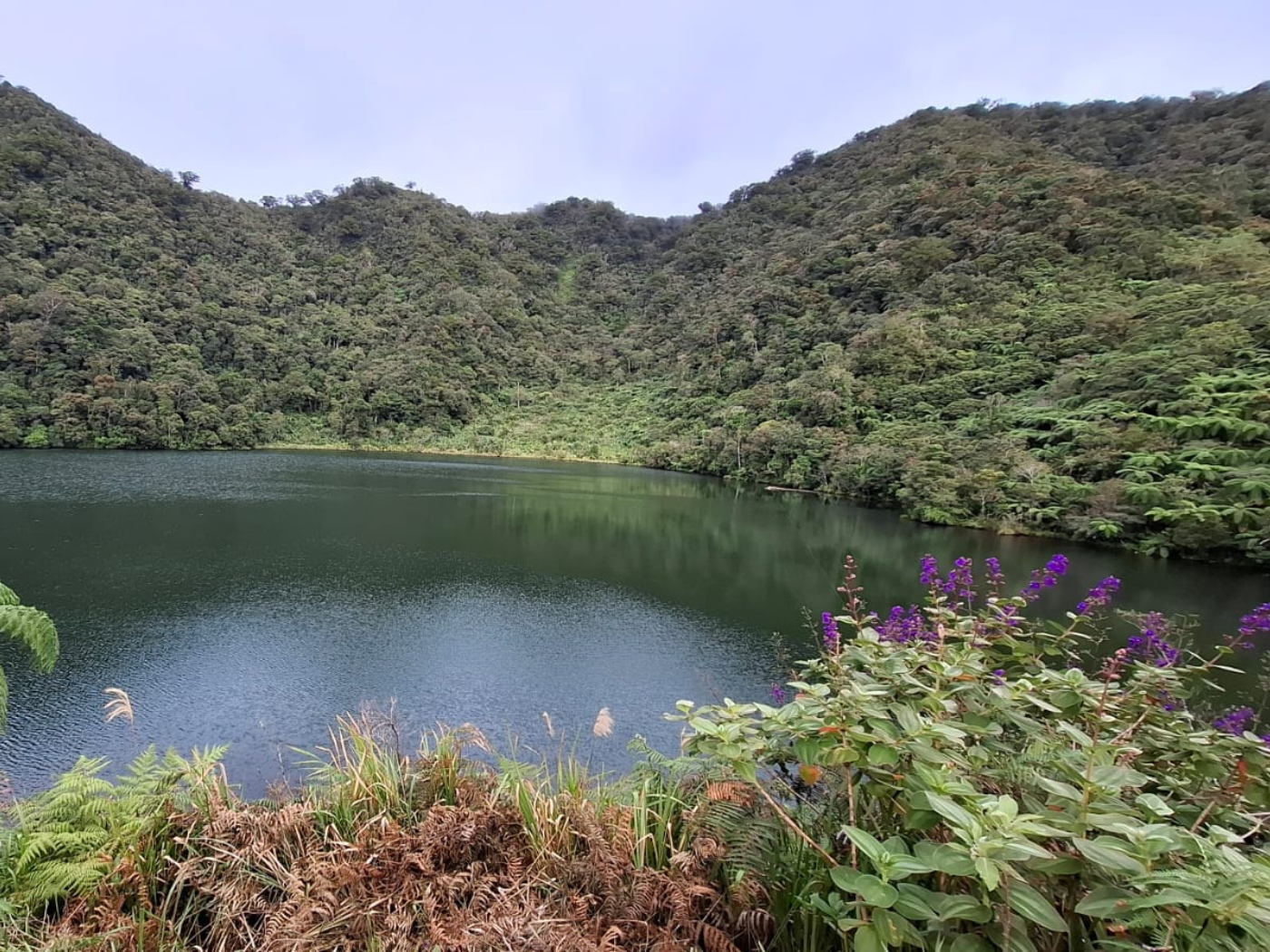
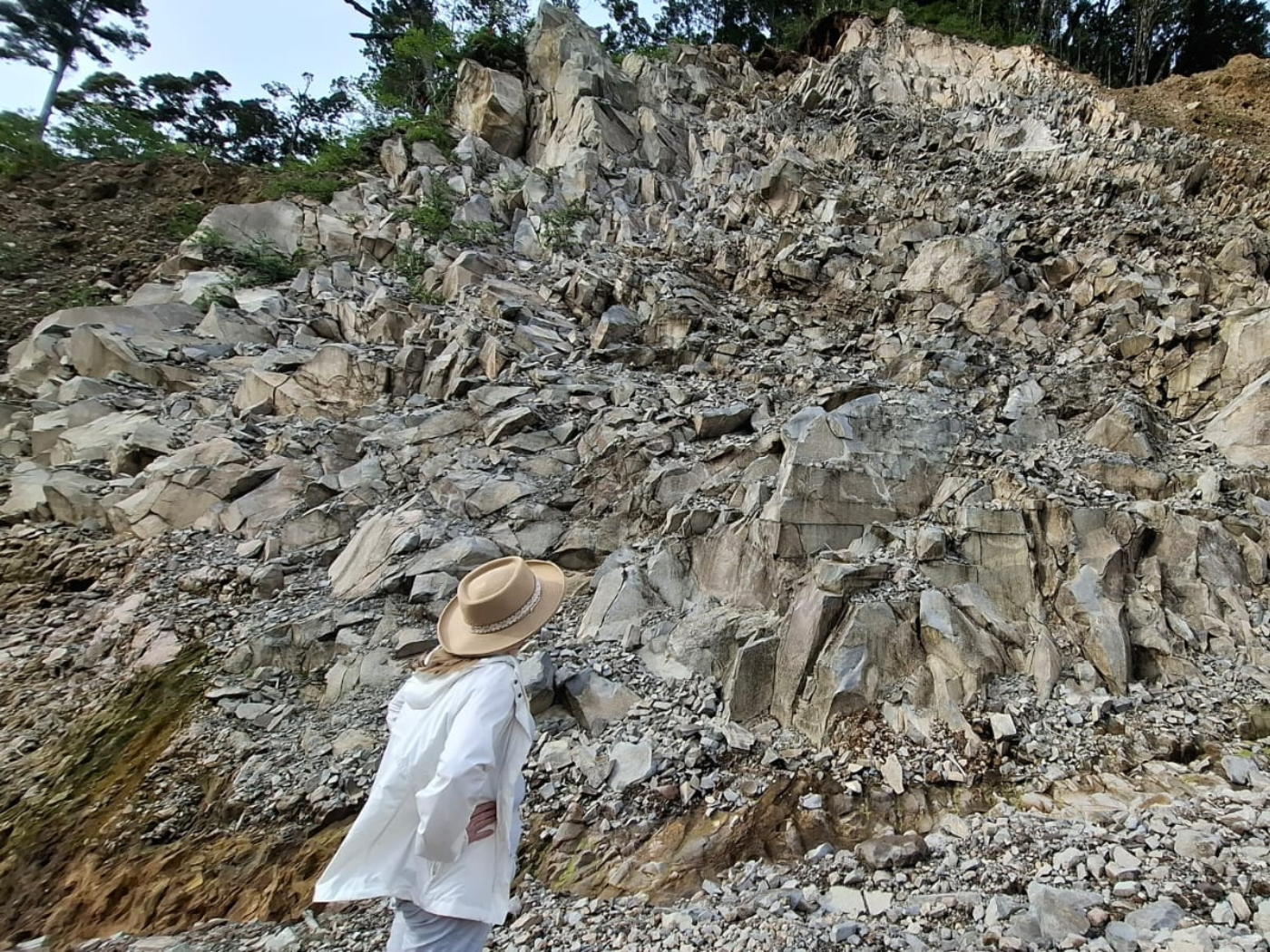
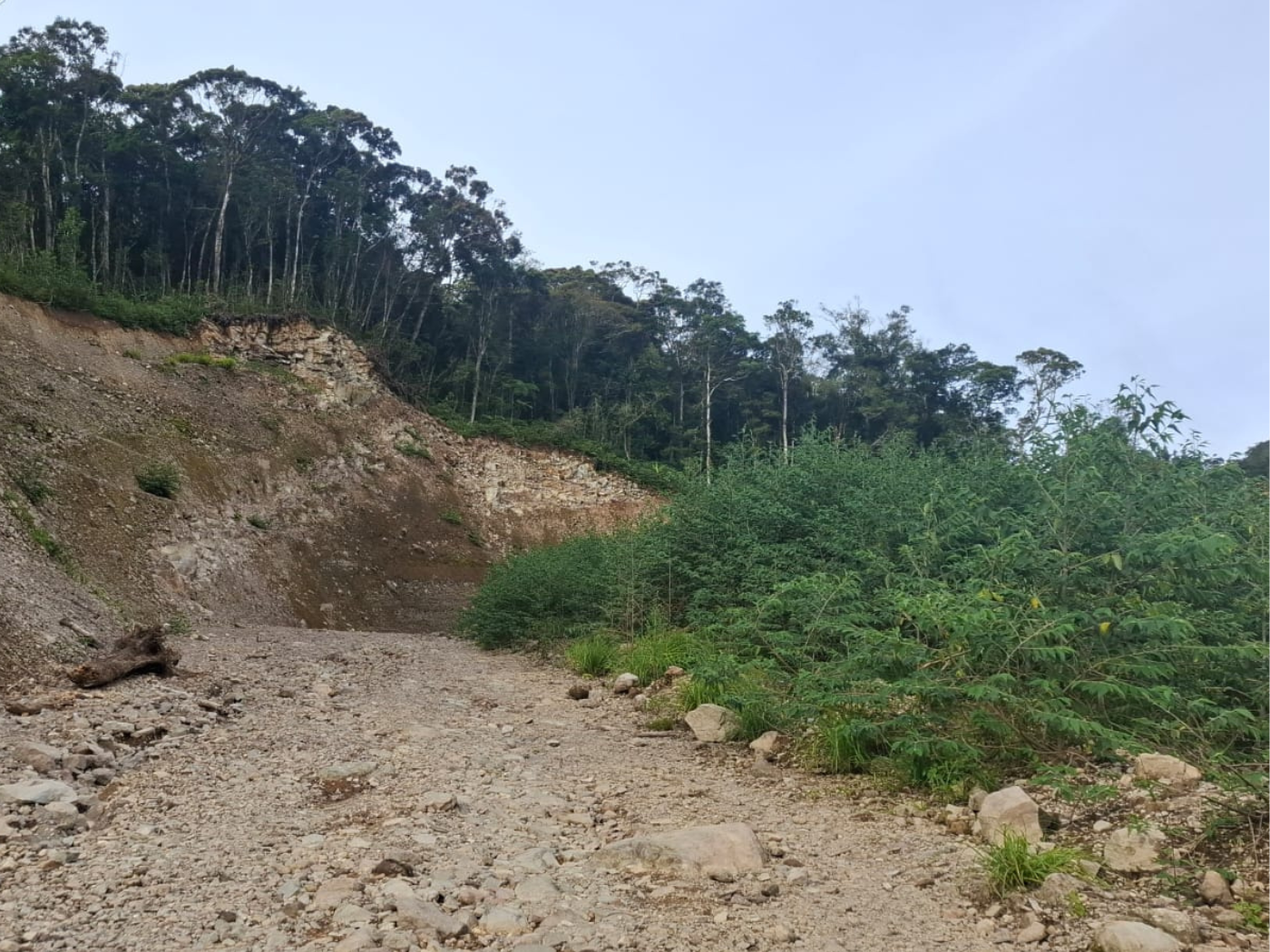
I think of the Subanen people in Mindanao, Philippines, and their sacred lake, Duminagat. The lake rests within the protected park of Mt. Malindang—beautiful, remote, and held in reverence through rituals and stories older than any modern map. Yet even places labeled “protected” can be placed at risk when profit becomes the guiding value. Eco-tourism is being advanced in the area, and roads are now being carved into the mountain so tourists can more easily “consume” the lake’s beauty. It is a painful irony: the language of “eco” can sound gentle while the work on the ground is loud, stripping forests, disturbing watersheds, and reshaping what was once approached only with patience and respect.
When I met with Subanen women, I heard grief spoken without exaggeration: sadness, anger, and vulnerability at the possibility of losing access to their sacred living waters despite their best efforts to protect the lake. Their identity is intimately tied to Duminagat. Their prayers are not abstract; they rise from a particular place. Their rituals carry memory, responsibility, and relationship—relationship with God, with ancestors, and with the land itself. Listening to them, I could not help but picture the Samaritan woman. She, too, spoke of ancestral belonging—of a mountain made sacred by generations before her. In both stories, water is never “just” water. It is life, yes, but also covenant: a sign that God meets people in real landscapes and real histories.
This is where the theme of Laudato Si’ Week—From Hope to Action—becomes more than a slogan. Christian hope is not denial. It does not pretend that harm is small or temporary. Hope tells the truth about what is being lost and then refuses to believe that loss is inevitable. At the well, Jesus does not offer escapism; he offers communion. He begins with a simple request—“Give me a drink”—and in doing so he makes relationship the doorway to transformation. In the same way, my hope must begin with relationship: learning the names of places and peoples, listening before speaking, and letting the suffering of creation and of communities reach my conscience.
So during this Laudato Si’ Week, I want to take concrete steps—small enough to begin now, but real enough to matter. First, I will examine my own patterns of consumption, especially where they touch water and land: reducing waste, choosing lower-impact options when I can, and resisting the mindset that convenience is an unquestioned good. Second, I will practice the kind of attention that builds solidarity: reading and sharing Indigenous-led reporting, supporting organizations that defend land and water rights, and seeking out local efforts to protect waterways in my own community. Third, I will treat advocacy as part of discipleship. Protecting creation is not separate from loving my neighbor; it is one expression of it. That means speaking up—writing, calling, voting, and showing up—when policies or projects threaten ecosystems and the communities who are most connected to them.
In the Gospel, the Samaritan woman leaves her jar behind and runs to tell others what she has encountered. I used to read that detail only as excitement or surprise. Now I also hear a challenge: when we meet Christ at the “well” of creation, we cannot cling to business as usual. We are sent—into our households, parishes, schools, workplaces, and public life—to protect the places where life is drawn up and shared. This Laudato Si’ Week and beyond, may my prayer not end at the edge of a beautiful story. May it move my hands and my choices. And may God teach us to defend sacred waters everywhere, so that all peoples—and the Earth itself—can drink and live.