Columbans following in the footsteps of a young Charles Darwin
Between December 1831 and October 1836, a young 22-year-old Charles Darwin embarked on the famous second voyage of the Beagle to circumnavigate the globe. During this journey, he visited both the east and west coasts of South America, the Galápagos Islands, Aotearoa-New Zealand, Australia, and islands in both the Atlantic and Pacific Oceans.
One of the many places in Chile that Darwin visited in 1834 was the Cerro La Campana, (The Bell-Shaped Mountain), located 100 kilometres north of Santiago. He wrote in his diary:
“We spent the day on the mountain summit, and time has never seemed so short. Chile, bordered by the Andes and the Pacific Ocean, stretches out at our feet like a vast plain. The spectacle is admirable in itself, but the pleasure one feels is further enhanced by the numerous reflections prompted by the view of La Campana.”
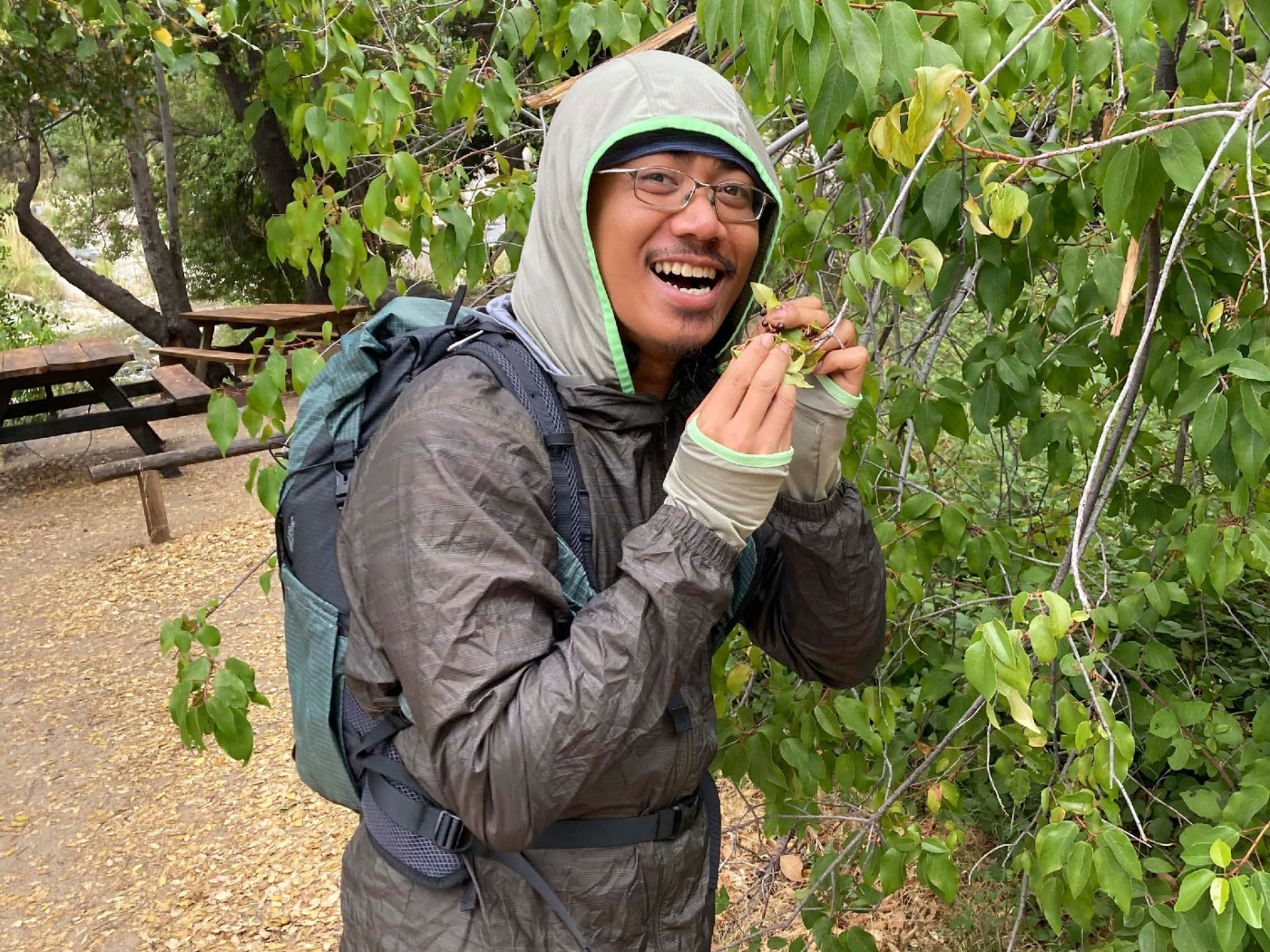
As he climbed the mountain, he was very impressed by the incredible biodiversity there, which included a wide range of plant species whose natural ranges are much further south and are not usually found at this latitude in a semi-arid zone.
Now, one hundred and ninety-two years later, Columbans in Chile are preparing to visit La Campana National Park, and other important Biodiversity Hotspots in Chile’s Central Zone as they seek to grow in awareness of the Spirituality of Creation and the need to protect our fragile Biodiversity and to share this spirituality with our parishioners.
The growing effect of Climate Change in Chile
According to the Climatologist, Professor Raúl Cordero, of the University of Santiago and the University of Groningen in Germany, “the frequency of extreme heat waves in the southern cone of South America, which includes Chile, has tripled in frequency since the decade of the 1980s.”
While forest fires have always occurred throughout Chile’s entire territory, including in the Central Zone, in recent decades, according to experts, “forest fires have become more frequent, more extensive, more extreme, more destructive and more difficult to control”.
According to Professor Raúl Cordero, this change in frequency and intensity of forest fires is due to Climate Change, drought, changes in the use of soils and the use of monoculture forestry plantations.
According to the National Chilean Forestry Corporation (CONAF), the number of forest fires in Chile has increased 17-fold over the last 50 years.
According to Professor Raúl Cordero and different oceanographers, another effect of Climate Change is the warming of ocean temperatures off the Chilean coast, which during the recent Chilean summer period has been up to 2-3 degrees higher. Higher than the previous historical record. This can destabilise the delicate coastal biodiversity and lead to more frequent storms sweeping in from the ocean and the arrival of different warm-water marine species.
What’s more, the 25,000 glaciers in the Andes Mountains from Venezuela to Chile, are “shrinking at a rate of 0.7 m per year, which is 35% faster than the global average,” according to scientists of the Catholic University of Chile.
Bringing Laudato Si and Laudato Deum into mainstream church life
Given Chile’s worsening ecological crisis, Columbans recognise the need to promote ecological conversion and seek ways to put Laudato Si’ and Laudato Deum into practice within our three parishes in Chile. We strive to nurture a Spirituality of Creation among our parishioners.
For this to happen, Columbans seek to give much greater visibility and importance to these ecological issues and related spirituality in ordinary parish life, bringing them from the fringes of parish life into the centre of the parish community and its parish outreach to the people of the area.
Biodiversity “Hot Spot” Rio Clarillo National Park
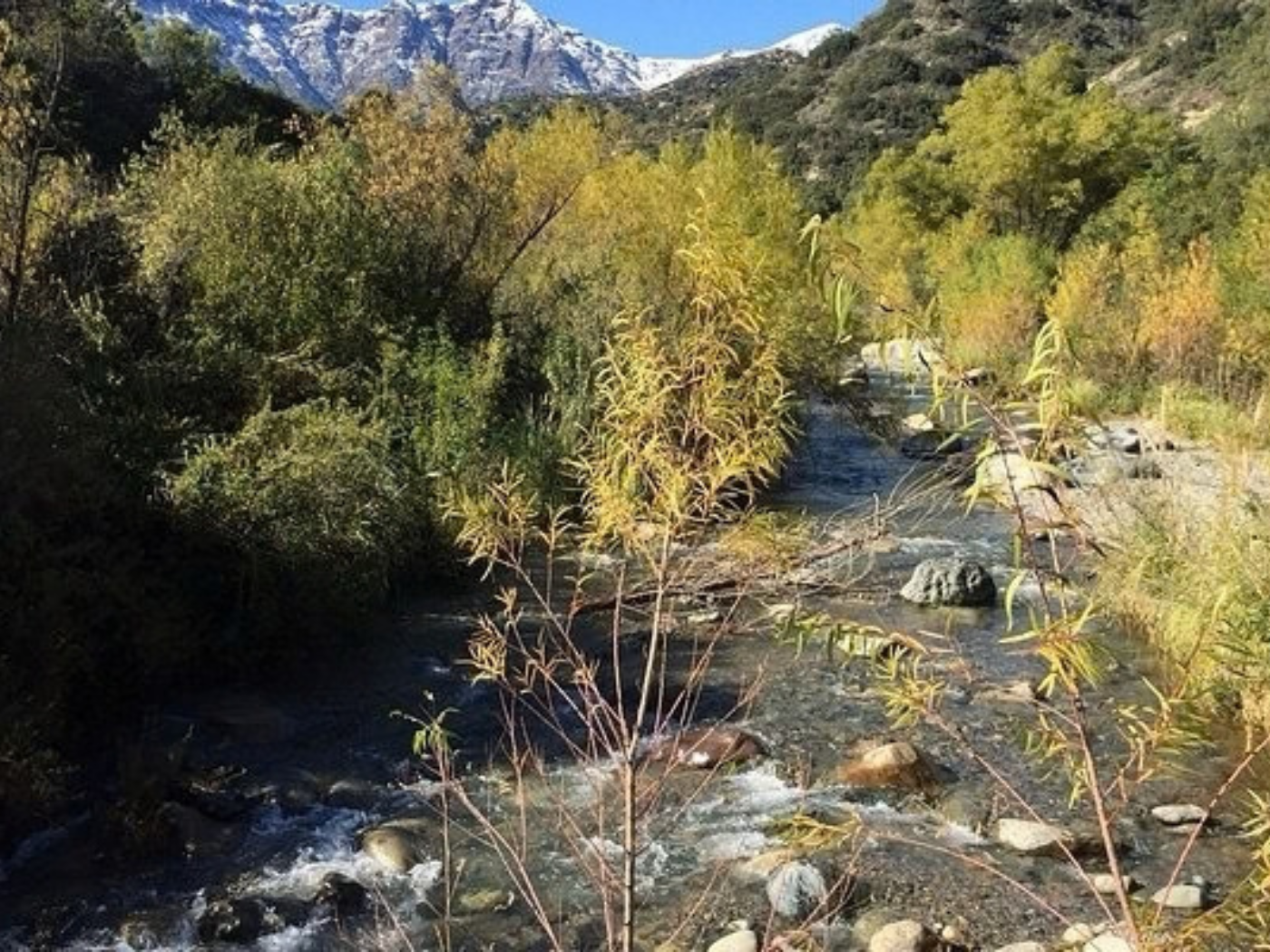
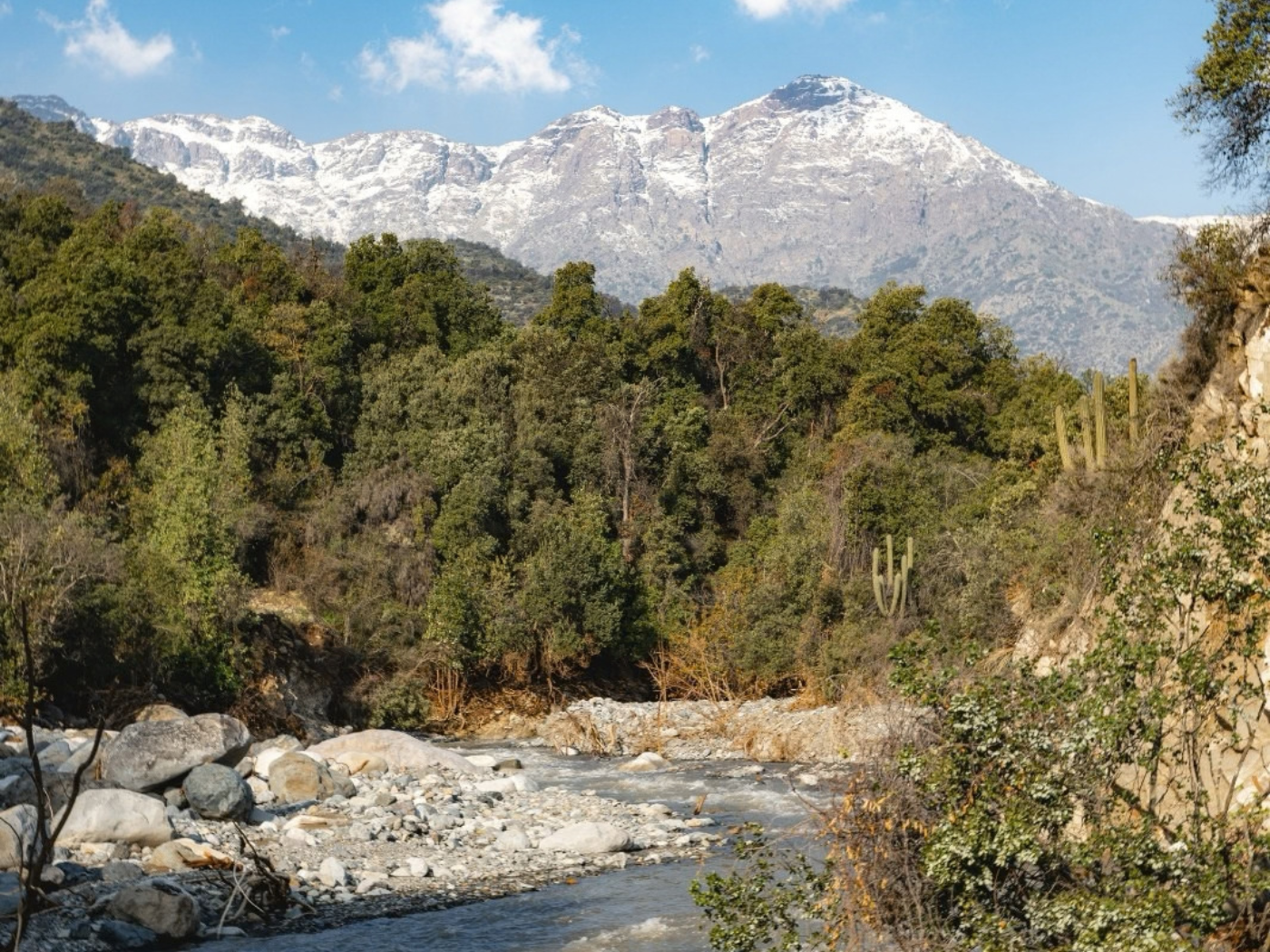
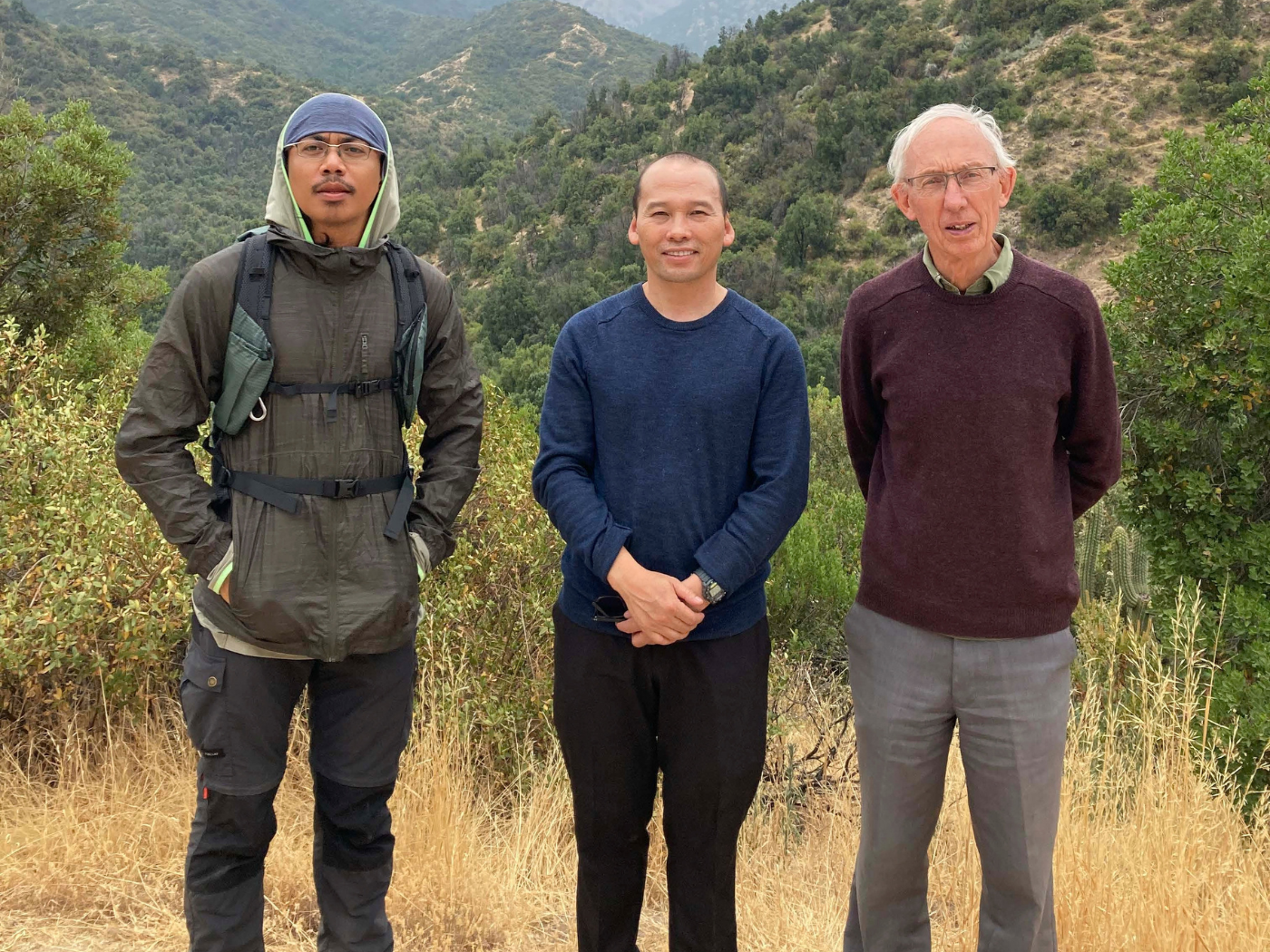
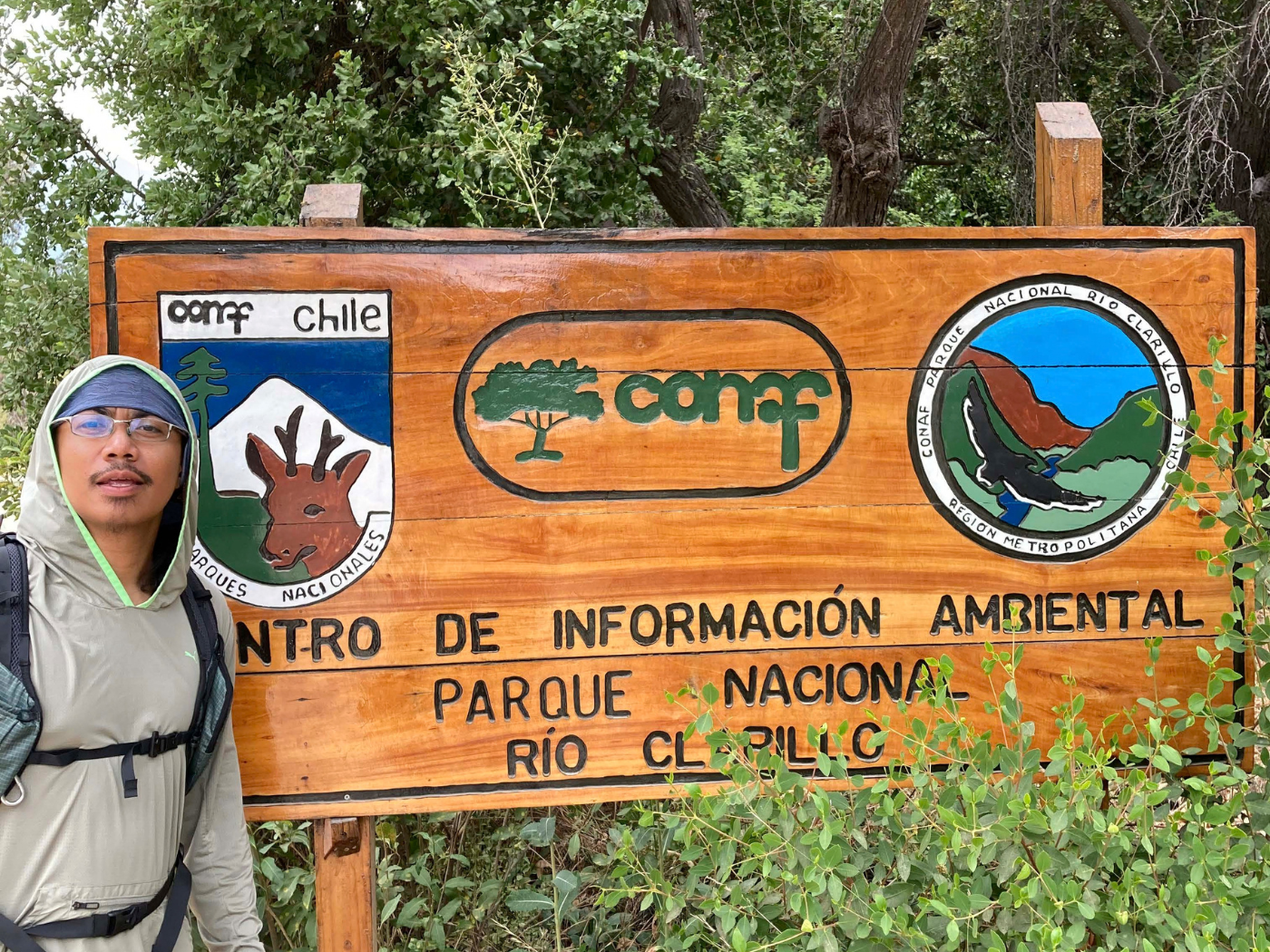
During December 2025, four Columbans visited The Rio Clarillo National Park, located in the foothills of the Andes mountains near Santiago. This national park is close to another area visited by Charles Darwin in 1835, where he discovered marine fossils 3000 metres high in the Andes. The park hosts a wide variety of mammals, birds, and flora, many of which face threats to their conservation as Climate Change continues to increase.
Parish Workshop on Caring for Our Common Home
Earlier this year, during the month of March, a full-day workshop on Caring for Common Home was held for 75 Pastoral Agents and other interested parishioners at the Columban parish of San Matías.
This highly successful workshop inspired people to incorporate the Protection of God´s Creation and its Biodiversity into all parish activities—liturgies, catechetical classes, retreats, assemblies, and formation courses. Parishioners were motivated to prepare to celebrate the Season of Creation in the parish.
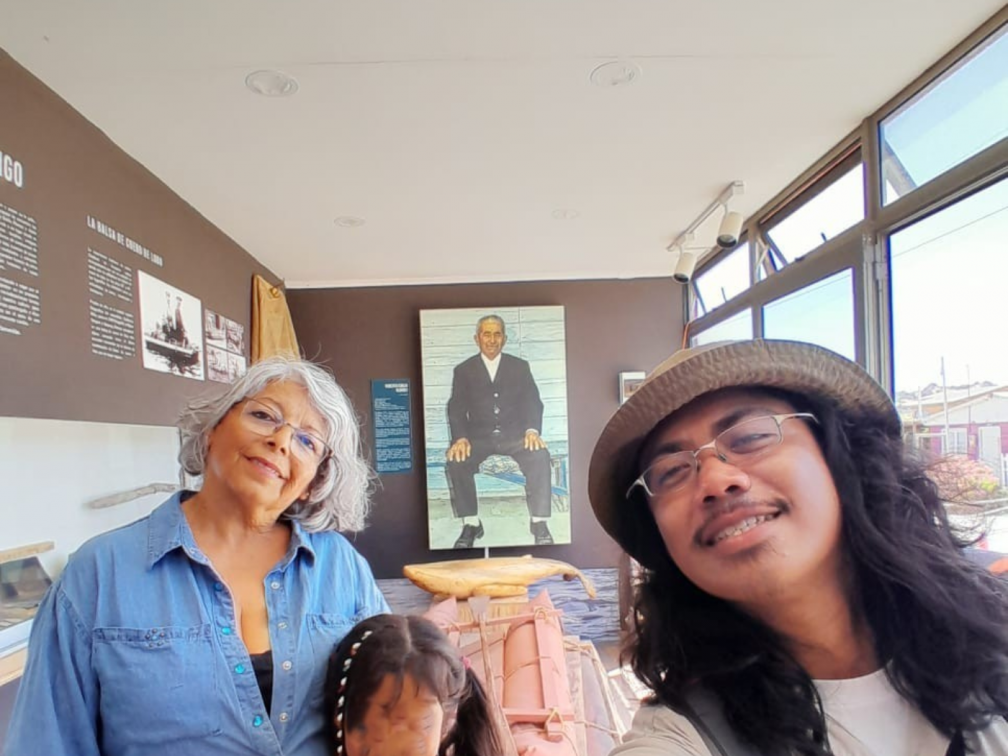
Columban seminarian Lydio Mangao Jr. from the Philippines, has explored the biodiversity of the high Andes Mountains and the threats to a rich Pacific Ocean Biodiversity hotspot north of Santiago, and has connected with a wide range of Ecological NGOs, joining their protest demonstrations in favour of protecting the environment.
Lydio shares his experience with parishioners in Columban parishes, helping make “Care for our Common Home” a central part of Catholic parish life and spirituality. He will expand on his experience through his own writing and articles.