
Reflecting on the history of Fiji, I quote from the iTaukei Trust document:
“Before colonization (pre-1874): Land as Vanua. For iTaukei communities, land (vanua) has always been, ancestral identity, spiritual connection, social structure, economic survival. Land was held collectively by mataqali (clans), not by individuals. Chiefs were custodians, not owners. Land could not be sold — only used, shared, or protected.”
This understanding of land remains central to the identity of the iTaukei (Indigenous people) today.
In 1874 when Fiji was ceded to Britain, Chiefs insisted that iTaukei land must never be sold permanently to which the British agreed, at least in principle. However, the colonial government also wanted land for plantations, land for settlers, and land for economic development. This created tension between protection and control.
One of the main crises in Fiji today is the cry of iTaukei (indigenous) people to Government leaders is to return freehold indigenous land. The 1965 constitutional arrangement states that the iTaukei own their land, but the government controls what is “6 feet under”.
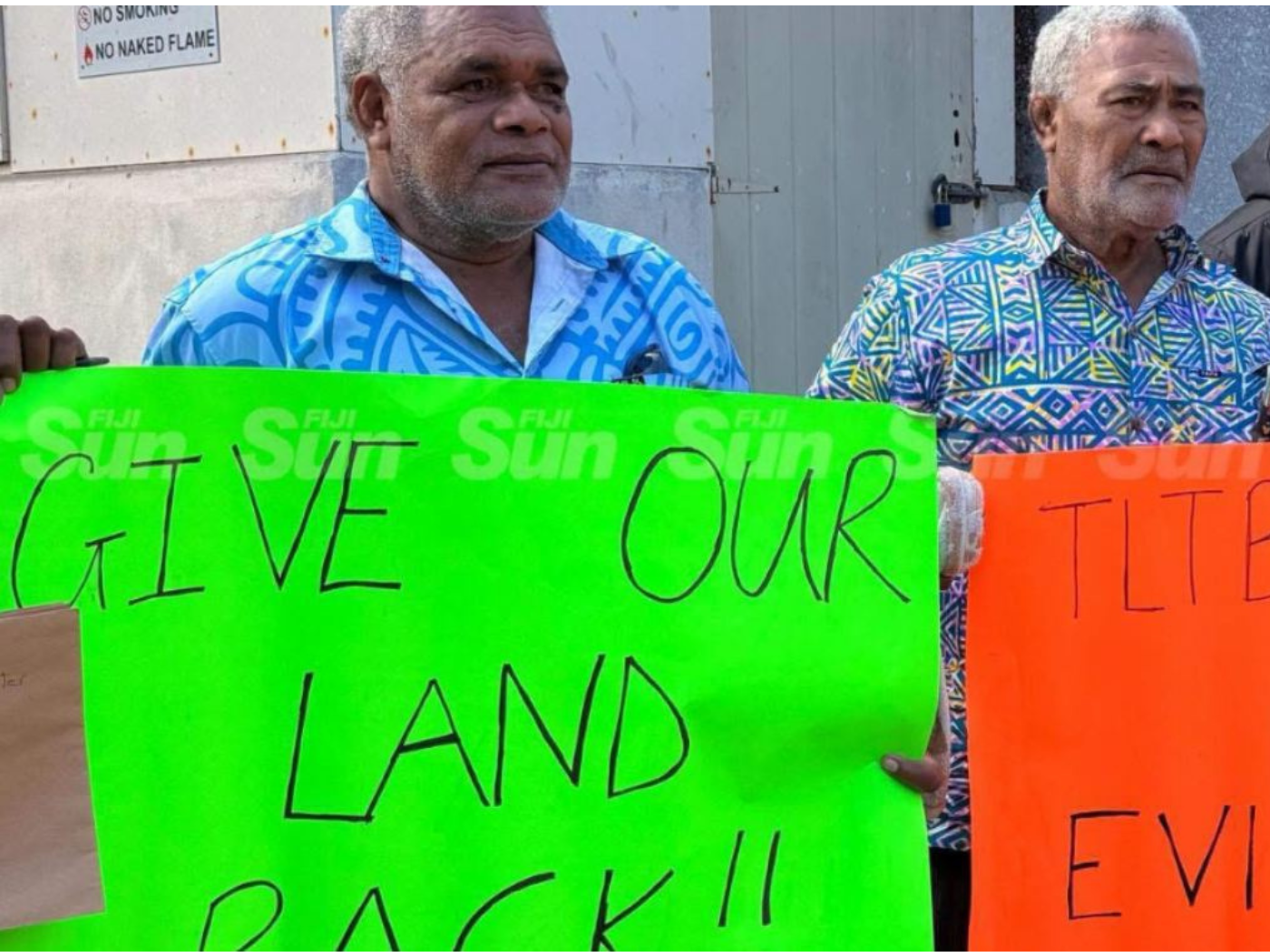
This is similar to mineral rights laws in many former colonies. However, in Fiji, it has long been a point of tension because it affects: mining, resource extraction, compensation, environmental decisions and community autonomy. For iTaukei communities, land (vanua) is not just property — it is identity, ancestry, spirituality, and survival. So, when people feel that their land rights are weakened or not fully respected, it becomes a deep emotional and cultural crisis, not just a legal one.
Many iTaukei leaders and communities have argued for decades that this arrangement is unfair and should be changed.
The iTaukei people want to abolish this law yet the government does not do what they promise the people during political campaigns. What is happening speaks demonstrates that the government is not protecting the balance of the “three legged stool” (Fiji’s Vanua, Church, and State framework), and when one leg of the stool breaks, the whole foundation collapses. Indigenous people are fighting for their rights and taking back their own land, and this is happening to most indigenous peoples around the world.
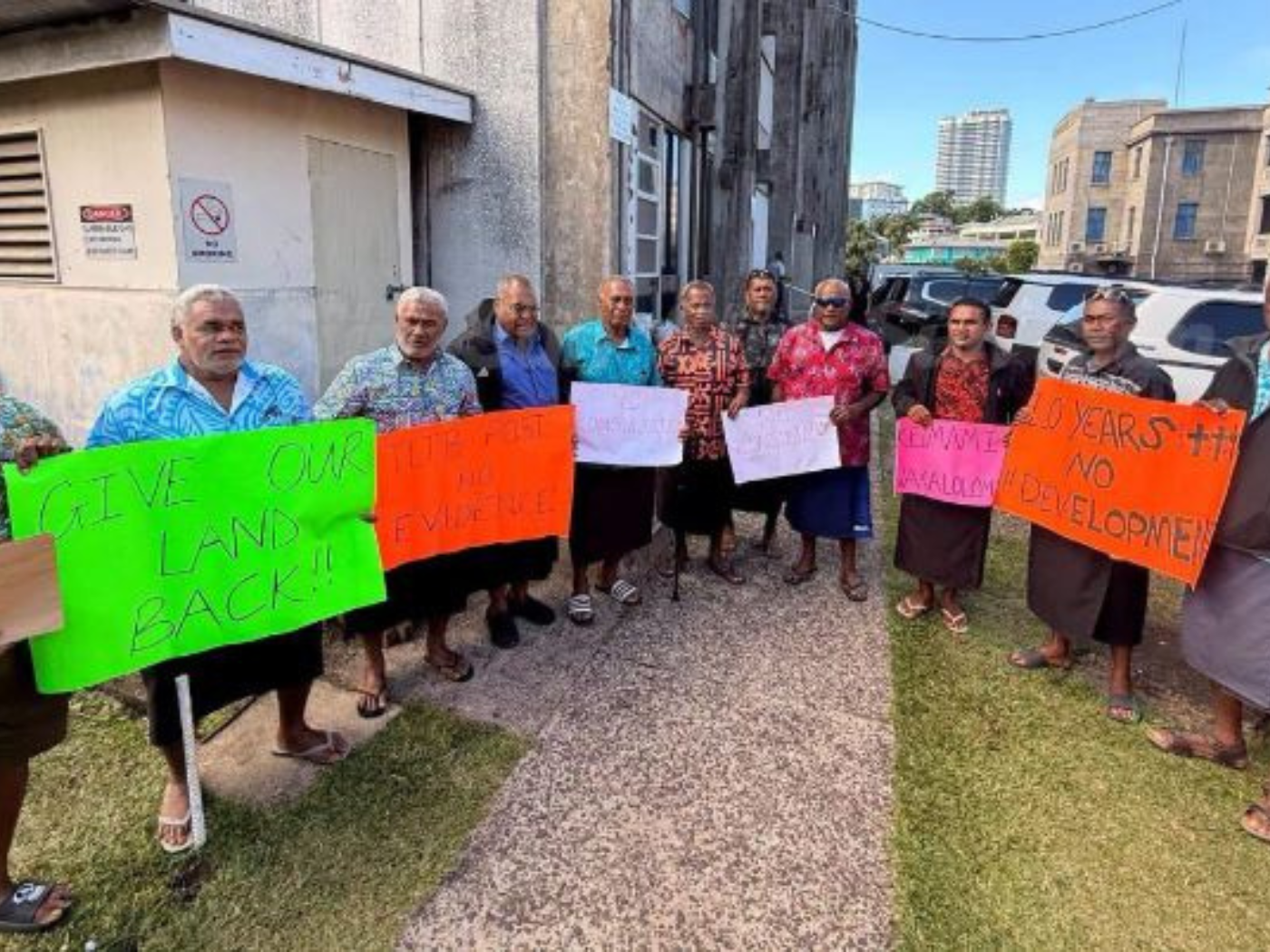
As Pope Francis said, “‘Indigenous Peoples’ right to self-determination: a pathway for food security and sovereignty’, calls us to recognize the value of indigenous peoples, as well as the ancestral heritage of knowledge and practices that positively enrich the great human family, colouring it with the varied features of their traditions.”
In learning and knowing how we as indigenous people are connected to mother earth, care for creation, and to humanity made me embrace and accept my iTaukei identity as core to my indigenous value and rights.
We pray for the protection of our lands and honour the Indigenous people all over the world.
This World Indigenous Day is a time to recognize and celebrate the uniqueness of Indigenous people cultures, traditions, languages and values in society today. We must support, care and respect all indigenous people in this World.
The Land is sacred not only to the indigenous people but to all humanity and living beings in this world.
