
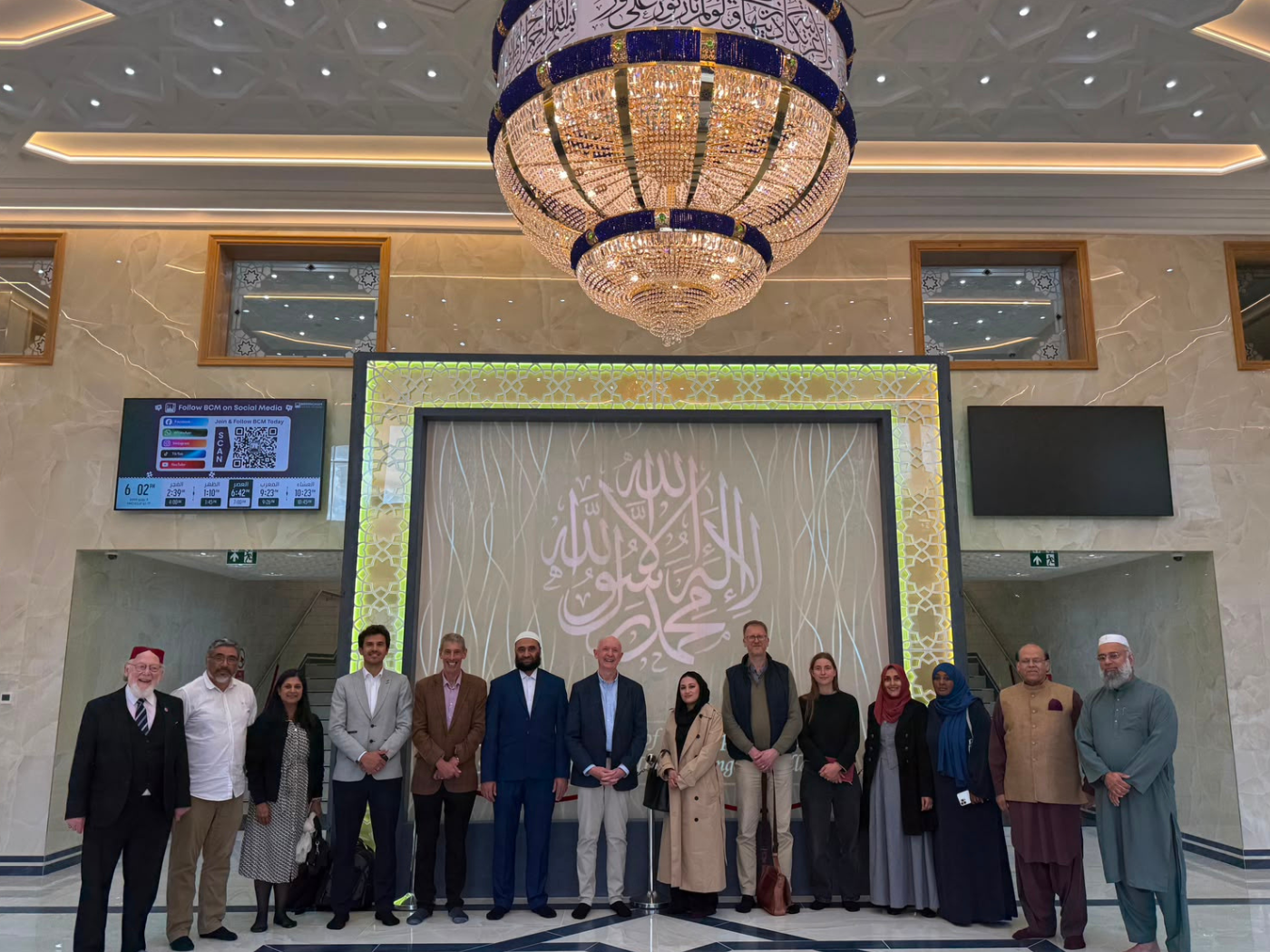
On a quest to better understand the challenges and possibilities of peace and reconciliation, and to engage with local faith and community leaders, I participated in an interfaith delegation of Christian and Muslim leaders from Birmingham that visited Bosnia and Herzegovina from the 21st to 25th June. The trip was coordinated by the Dialogue Society together with the Church of England Interfaith Team in Birmingham.
The group of 13 participants—members of a Muslim and Christian leaders’ group—had been preparing for several months through visits to Bosnia House in Birmingham and by attending a conference on the Srebrenica Genocide at the University of Birmingham. The delegation held its final preparatory meeting at Birmingham Central Mosque earlier that month, where members enjoyed the mosque’s hospitality and coordinated the final logistical details of the trip.
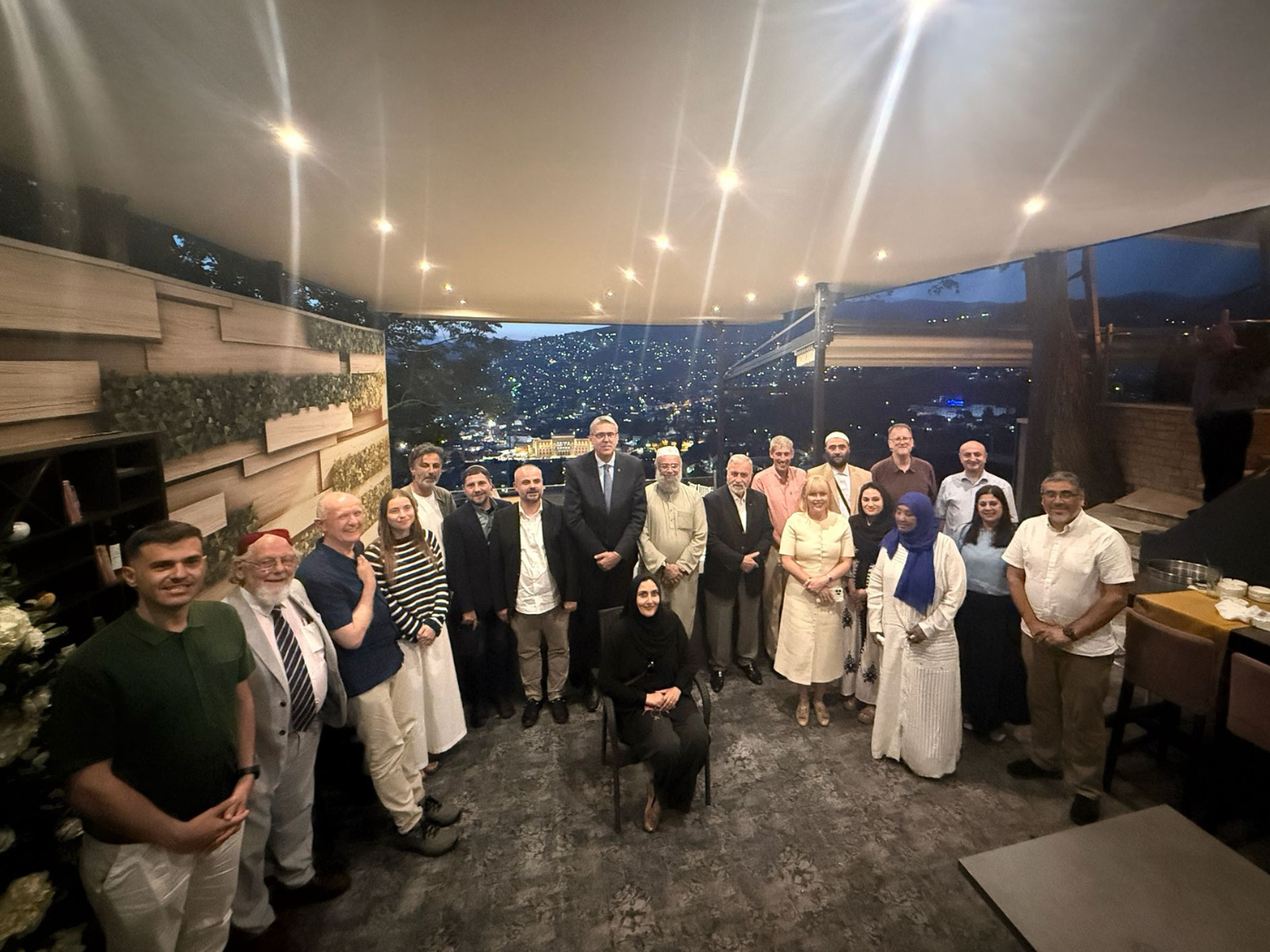
In those four days, through seeing the geography and listening to the history of the place and its people, the group engaged in daily reflections that helped us connect with stories of pain, sorrow, hope, and healing. Historically known as a “city of encounters,” Sarajevo embraced us with its charm and friendliness. We experienced extraordinary hospitality from everyone we met, from ordinary citizens to civic and religious leaders, who welcomed us with distinctive warmth.
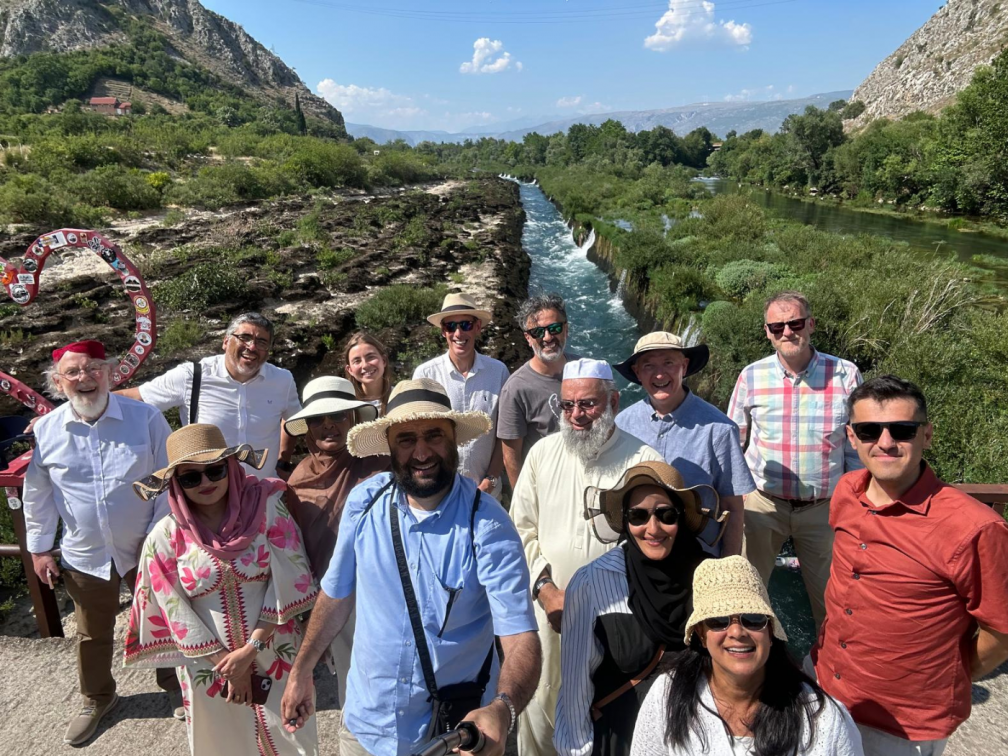
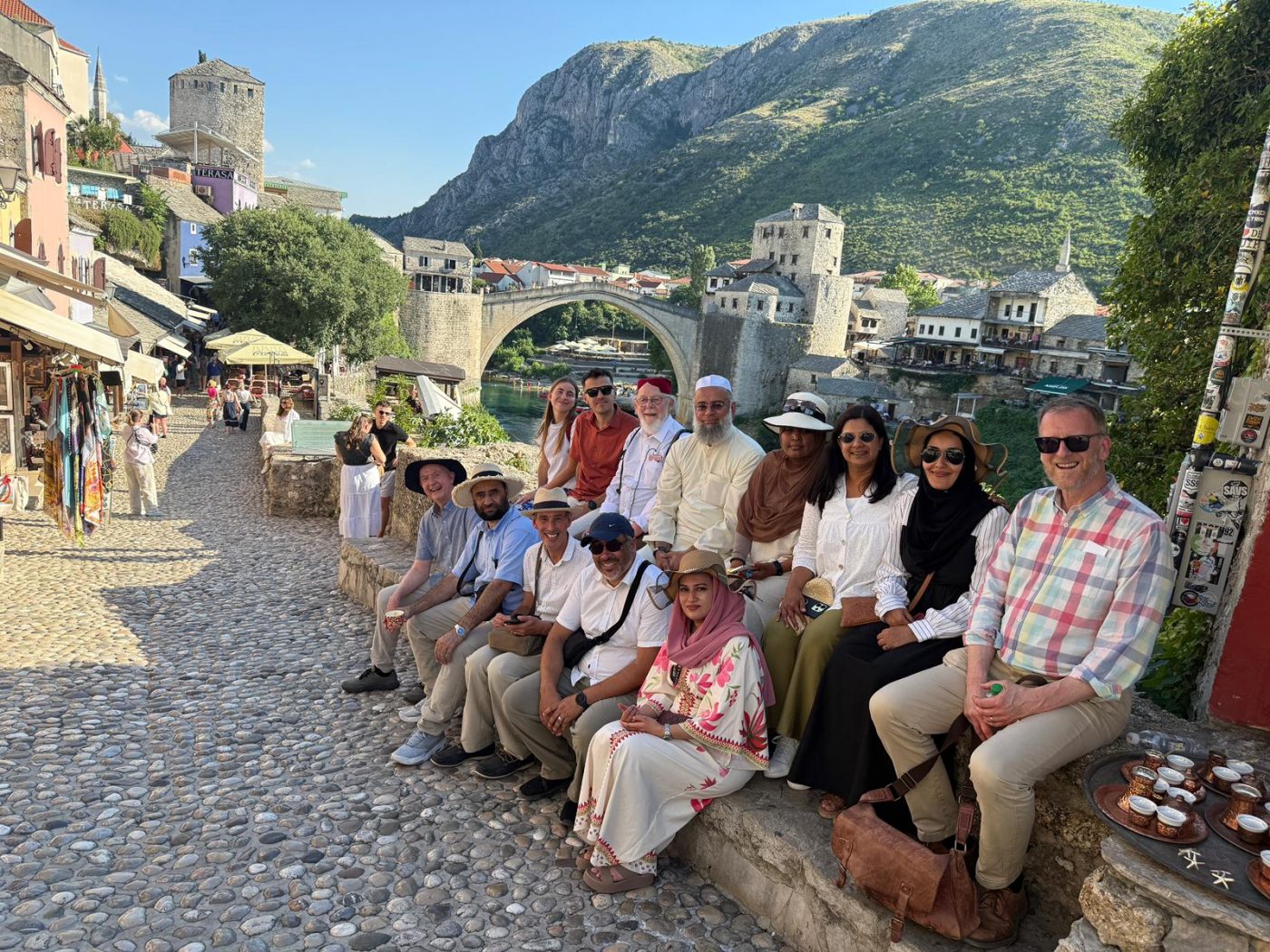
The beautiful landscape, painted with gentle hills, imposing mountains, winding rivers, and fertile valleys, bears the scars of a painful history. It was striking to witness the contrast between the breathtaking beauty of the country and the images and footage of people being forced from their homes in search of safety and survival. The landscape itself seemed to hold together both beauty and suffering, reminding us that places, like people, carry memories.
The long journeys on the minibus strengthened our friendships and allowed us to get to know one another better. Moments of laughter and shared photographs were balanced by profound conversations about faith, life, interfaith relations, and the deeper meaning of our being together in that place. Those hours on the road became an important part of our pilgrimage, allowing us to process together what we were seeing and hearing.
The visit to Srebrenica on our third day was the climax of our journey. That morning, we arrived at the Srebrenica Memorial Centre, whose stated mission is to “preserve the truth about the genocide.” The sombre nature of this place of cruelty and desolation stands in contrast to the artistic beauty of its installations and exhibitions. Through the voices and testimonies of survivors and family members, the truth is heard with unmistakable clarity. The names, photographs, testimonies, and artefacts of the victims speak eloquently of lives interrupted and futures stolen. Every aspect of this tragic place bears witness to human cruelty, injustice, and the ignominious indifference of the international community.
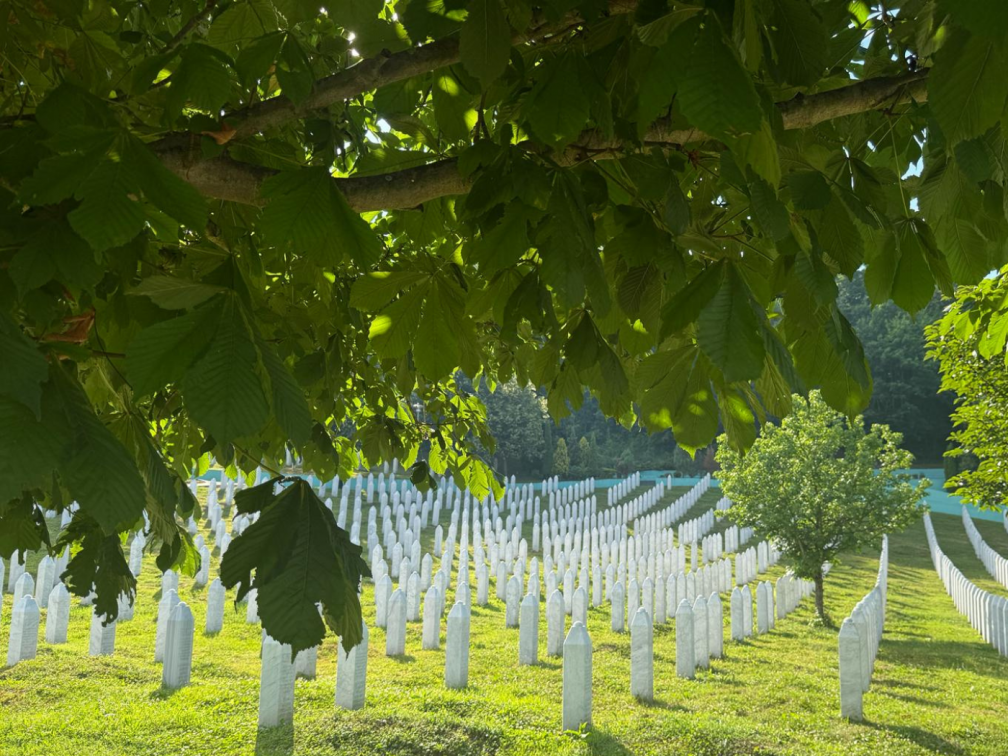
Fittingly, we spent that afternoon at the Potočari Cemetery, the memorial site for more than 8,000 victims of the Srebrenica genocide. The silence and peacefulness of this magnificent place invite pause, reflection, and prayer. “May mothers’ tears become prayers that Srebrenica never happens again to anyone and nowhere,” reads the closing of the Srebrenica Prayer. Standing among the endless rows of white headstones, those words became more than a prayer; they became a responsibility.
Our shared Abrahamic heritage provided us with “lenses of hope” through which we did encounter the determination and compassion of a deeply wounded people. This visit made us witnesses, and as witnesses we are entrusted with the responsibility of reminding ourselves and others of the consequences of unchecked narratives of division and indifference. On a personal level, much of what I experienced there resonated with the recent history of my own country of origin, Chile.
I believe God is present even in the darkest places. As we travelled through Bosnia and Herzegovina, we encountered God in the courageous stories of survivors and in the friendships strengthened within our delegation. As people of faith, we are called not only to remember, but also to act: to challenge division wherever it appears, to build relationships across difference, and to bear witness to the hope that justice, compassion, and peace will prevail.
