
As a mother of two young children, I often find myself wrestling with a difficult question: how do I teach my children to care for God’s creation while ensuring that I am doing the same myself?

I want my children to understand the reality of the climate emergency and the environmental challenges facing our world. Yet I do not want them to feel overwhelmed or frightened by the future. As parents, we have a responsibility to guide them with truth, but we must do so in a way that nurtures hope rather than fear.
In my opinion, children do not need to be burdened with alarming statistics or made to feel that the future is hopeless. Instead, I believe they need opportunities to fall in love with creation. We can encourage them to notice the beauty of a butterfly, listen carefully to birdsong, adapt our gardens to care for wildlife and appreciate the changing seasons. We can help them understand that the natural world is a gift from God, and that even the smallest actions to protect it can make a difference. By nurturing wonder and connection with nature, we raise children who aren’t afraid of the future, but children who feel inspired and empowered to care for it.
Most importantly, children learn from what we do more than from what we say. If I want my daughters to value creation, then I need to be prepared to examine my own choices and habits too.
That is where the challenge begins.
As any parent knows, reducing plastic is often easier said than done. Life is busy and convenience matters. Visiting several different shops in search of plastic-free alternatives takes time – time that as a working mum, I just don’t have. Sustainable products can be more expensive, and when family budgets are stretched, it can be difficult to justify paying more for the greener option. I also recognise that having the time, money and opportunity to make more sustainable choices is itself a privilege.
This is the moral dilemma I find myself facing. I know that caring for creation requires action, yet I am also trying to navigate the realities of modern family life. Too often I find myself choosing convenience over conscience, practicality over principle.
Despite this, I believe our faith calls us to keep trying. In the Book of Genesis, we are reminded that God entrusts humanity with the care of creation, calling us to be responsible stewards of the world we have been given. Pope Francis reminded us in Laudato Si’ that our common home is suffering because of our throwaway culture. More recently, Pope Leo XIV has encouraged Christians to respond to environmental challenges with hope and action, reminding us that creation is not something to be exploited but a gift to be cherished and protected.
The scale of the challenge is sobering. According to recent estimates, UK households throw away around 90 billion pieces of plastic packaging every year – the equivalent of 1.7 billion pieces every week. I find this statistic difficult to ignore. Much of the plastic entering our home comes wrapped around the everyday products that make family life easier and more convenient.
The good news is that families do not need to do everything at once. Over the past year, I have tried to make small but meaningful changes. I buy more loose fruit and vegetables, refuse unnecessary plastic bags and cutlery, choose bars of soap instead of shower gel in plastic bottles, and use refill pouches to top up hand wash dispensers at home.
This Plastic Free July, my family and I feel empowered to commit to more. Rather than aiming for perfection, we are committing to making one plastic swap each week, something that we aren’t already doing, or have tried before. I put the following list together with the help of my seven-year-old daughter, because getting her involved is the key to making these changes stick.
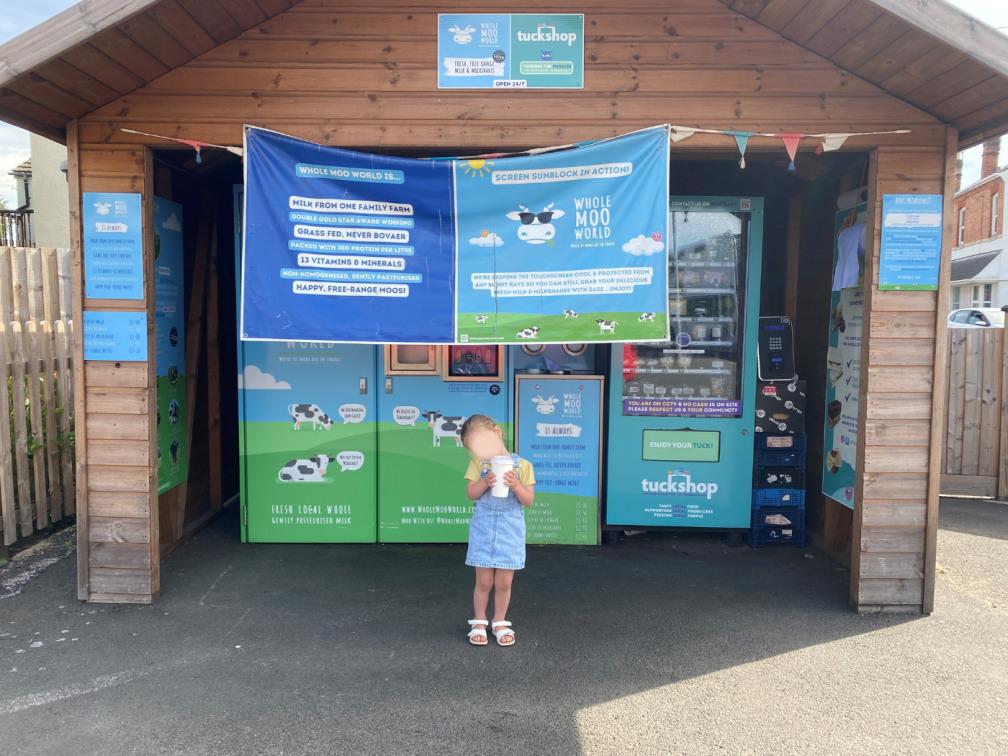
Week 1: I drive past a local farm’s milk shed on the way to my daughter’s swimming lesson, so this week we stopped to refill our old plastic milk bottle with fresh milk. It’s a simple change that reduces plastic waste while also supporting a local farmer! I calculated that if we could keep this up we’d reduce our consumption by almost 100 plastic bottles!
Week 2: We’ll be on holiday this week, so our challenge is to avoid buying the girl’s usual plastic-packaged snacks. Instead of individually wrapped chocolate bars, fruit snacks and yoghurt pouches, we’ll choose options with less packaging, such as larger bags of crisps, nuts, fruit and yoghurt, and portion them into reusable lunchboxes and containers each day. It’s a simple swap but it should cut down on the amount of single use plastic we collect.
Week 3: We plan to swap our antibacterial cleaning spray for a greener alternative. I love the smell of Neat products, and I’m pleased I’ve managed to find a shop locally that stocks them. We bought the concentrate and will simply mix it with water, reusing our old spray bottle. We can also repurpose the small little bottle the concentrate came in. My girls are excited to use it to make potions!
Week 4: My daughters both love visiting a nearby fruit and veg shack! This week we’re committing to buying all our fruit there, avoiding unnecessary plastic packaging. It’s not in our town, so I wouldn’t normally make a special journey as I don’t think that’s sustainable. Instead, I’ve planned to visit a friend nearby afterwards, so the trip serves more than one purpose.
These may seem like small steps, but perhaps that is how lasting change begins – not through big, grand gestures, but through small, simple, affordable and faithful choices repeated day after day.
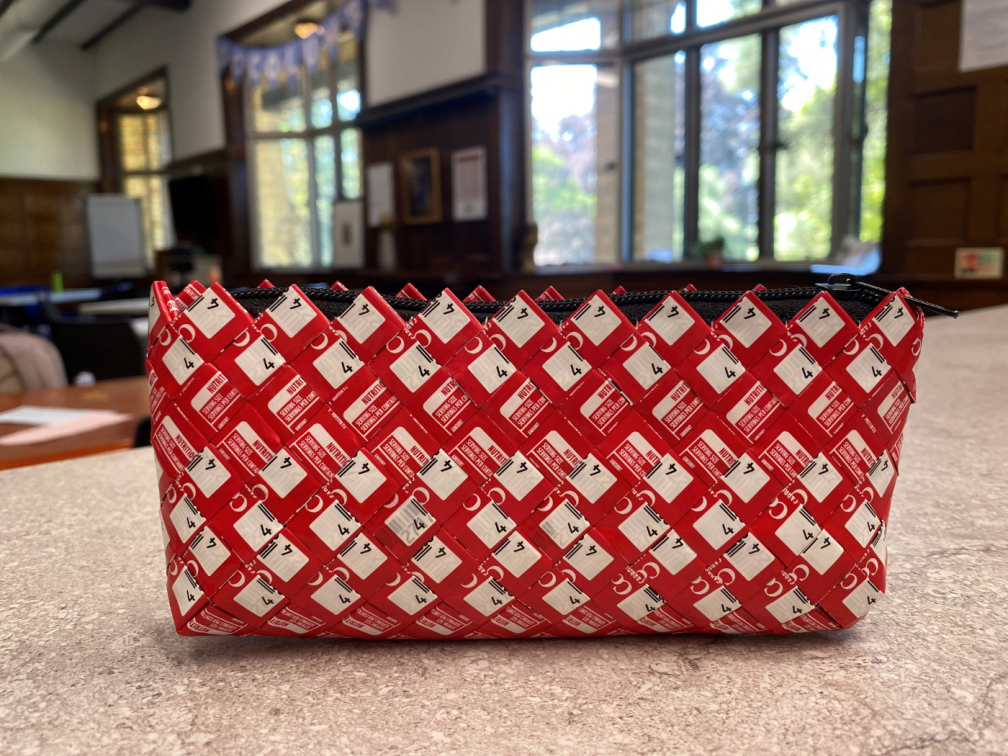
My challenge to you is do the same this July! Below is a list of some plastic free pledges you and your family could make at home during the month.
- Make one meal each week using only unpackaged ingredients. You’ll perhaps have to show at the butcher, greengrocer or bakery using your own Tupperware and bags
- Hide the cling film and cover leftovers with a plate or decanting into Tuppawarey you already have
- Say no to extras such as plastic cutlery, straws, condiment sachets and lids
- Skip one online order and see if you can buy it locally or borrow it instead, reducing both plastic packaging and transport emissions
- Choose an item and buy a refill instead of a new bottle. This might be a cleaning product such as washing-up liquid, or laundry detergent or dried foods such as pasta or cereals
I hope the experience of Plastic Free July becomes an important lesson for my children: that caring for creation is not about getting everything right, but about being aware of our choices, learning together and finding ways to live with greater respect for the world around us.
As parents, we may not be able to solve the climate crisis on our own. But we can raise children who love creation, understand their responsibility towards it, and see that caring for our common home starts with the choices we make every day.
