
Across global religious leaders, there is a growing awareness that biodiversity and the health of ecosystems are not separate from human life, but deeply connected to it.
Speaking to participants of the 17th International Forum for Information for the Safeguard of Nature in Italy in March this year, Pope Leo XIV called for greater unity in addressing ecological and social challenges, urging renewed commitment to care for creation and safeguard future generations. His message reflects a wider concern for communities already affected by environmental loss and change.
The primary Buddhist leader recognised globally, particularly within Tibetan Buddhism, is the 14th Dalai Lama Tenzin Gyatso. He is widely known for his teachings on compassion and interdependence, often returning to the idea that human life cannot be separated from the natural world. In this view, all living beings exist in relationship with one another, a perspective that resonates strongly with how Columban Missionaries understand biodiversity today.
HH Pujya Swami Chidanand Saraswatiji serves as the President of Parmarth Niketan, Rishikesh, one of India’s largest interfaith spiritual institutions. He leads several humanitarian and environmental projects dedicated to the welfare of all. He often speaks of nature as something to be honoured rather than separated from human identity. He refers to rivers, forests and landscapes in deeply reverential terms, shaping an approach to ecological care rooted in respect and stewardship. Speaking at the Divine Celebration at Parmarth Triveni Pushp, in Allahabad, India on Earth Day, 22nd April 2026 he said: “Earth is not just a planet; she is our Mother. If the Earth is protected, humanity, culture, and the future generations are protected.” He called upon everyone to adopt water conservation, tree plantation, plastic-free living and sustainable lifestyles.
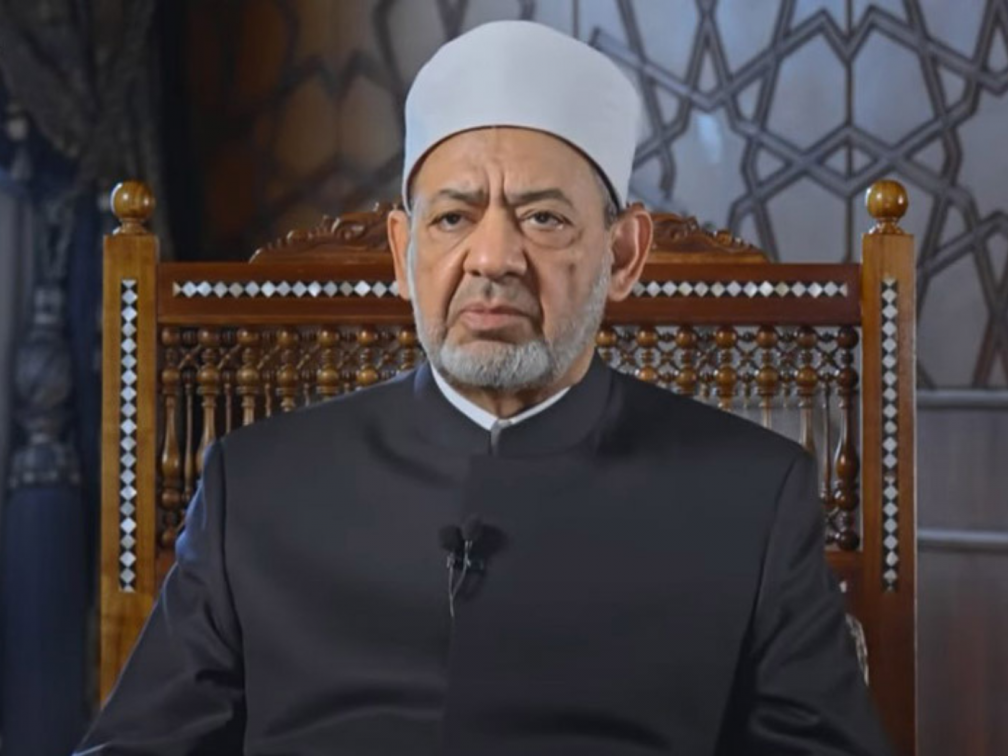
In Islamic teaching, Sheikh Ahmed el-Tayeb describes humanity’s relationship with the natural world as a trust, where misuse of resources becomes a moral concern when it affects justice and future generations. Sheikh Ahmed el-Tayeb is the Grand Imam of Al-Azhar. He and Pope Francis, former leader of the Catholic Church, co-signed a declaration in 2019 which advocates for peace, tolerance and dialogue between religions. The document highlights how the suffering of the poor is closely linked to global injustice, including the unequal distribution and exploitation of natural resources.
Jewish ecological thought, as expressed by voices such as Rabbi Jonathan Wittenberg, Senior Rabbi of Masorti Judaism and Rabbi of New North London Synagogue in the UK, draws on the concept of tikkun olam (the repair of the world), placing responsibility for creation alongside care for community and future generations.
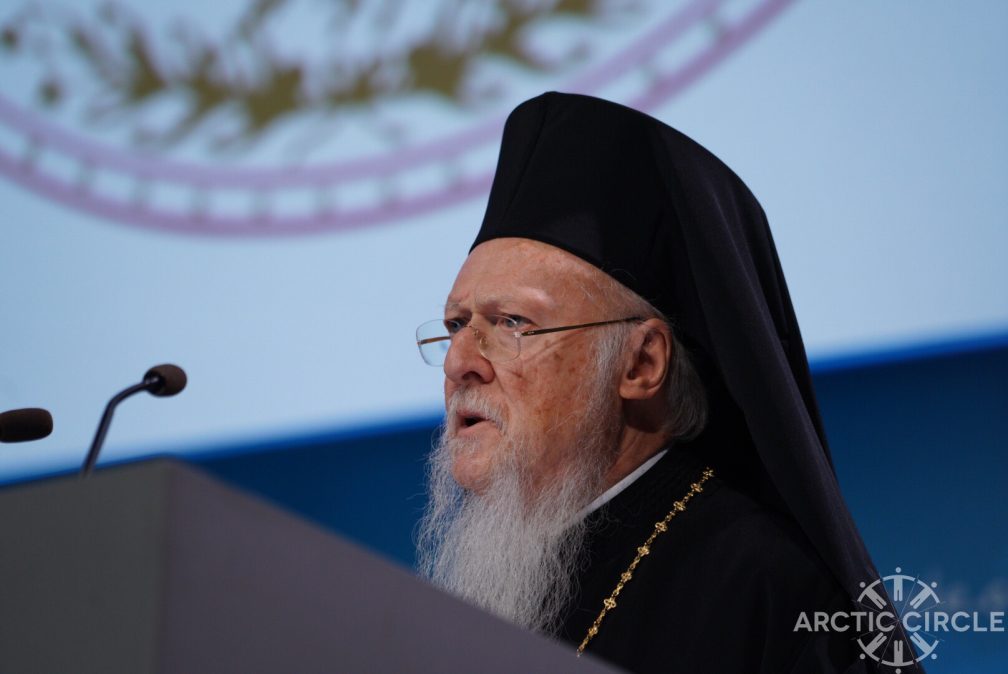
Within wider Christian leadership, Ecumenical Patriarch Bartholomew, known in Europe as the ‘Green Patriarch’, speaks of environmental harm as a moral issue, inviting faith communities to see ecological responsibility as part of spiritual life and encouraging harmony between humanity and nature.
In his 2015 encyclical Laudato Si’, Pope Francis invites us into an ‘ecological conversion.’ At the heart of this process of conversion, and of hope for a renewed future, is the recognition of humanity’s role in ecological destruction, and a commitment to healing our common home, bringing together care for nature with justice for the poor. His emphasis on the ‘cry of the Earth and the cry of the poor’ highlights how biodiversity loss is never experienced equally.
Pope Leo affirms this, and in his message at the Raising Hope ecology conference in Italy in October 2025 said: “Caring for God’s creation is a demanding but beautiful and fascinating task, which is a primary aspect of the Christian experience.” The Pope stressed that ecological responsibility must include protection of creation, and that environmental challenges require a moral and spiritual response, not just technical solutions.
Across traditions, there is a shared belief that caring for creation is everyone’s responsibility. There is also agreement that ecological care is closely linked to justice, compassion, and future generations, pointing to growing unity among global faith leaders in protecting our common home.
‘Biodiversity Protection and Restoration’ is a Columban mission priority. Our focus is not only on recognising its importance, but on supporting practical action that restores ecosystems, strengthens resilience, supports food systems and stands alongside communities most affected by climate change.
In Britain, Columbans continue to promote ecological diversity through advocacy, parish engagement, engagement with schools and awareness raising. They encourage people to see biodiversity as part of caring for ‘our common home’. Eco-retreats at the Columban house in Solihull, Birmingham, led by Justice, Peace and Ecology Co-ordinator James Trewby, offer students and educators time in nature to reflect on biodiversity and their own responsibility within it.
In the Philippines, the Higaonon people, an Indigenous community in the climate-vulnerable mountains of Mindanao, are restoring biodiversity through tree planting and forest protection, supported by the Columbans. This rebuilding of forest ecosystems is re-creating natural habitats that support birds, insects and wildlife, encouraging biodiversity to return.
There is a growing sense among the world’s faith leaders that protecting biodiversity is not simply an environmental issue, but about how we live, how we treat others and how we take responsibility for the world that we share. While the language may differ, these faith voices are united in a shared direction of travel. This opens space for dialogue and collaboration and calls for a move from awareness into sustained ecological conversion and action. For Columban mission, this means continuing to work in unity with other faiths and turning shared values into practical action rooted in Catholic Social Teaching and global solidarity.