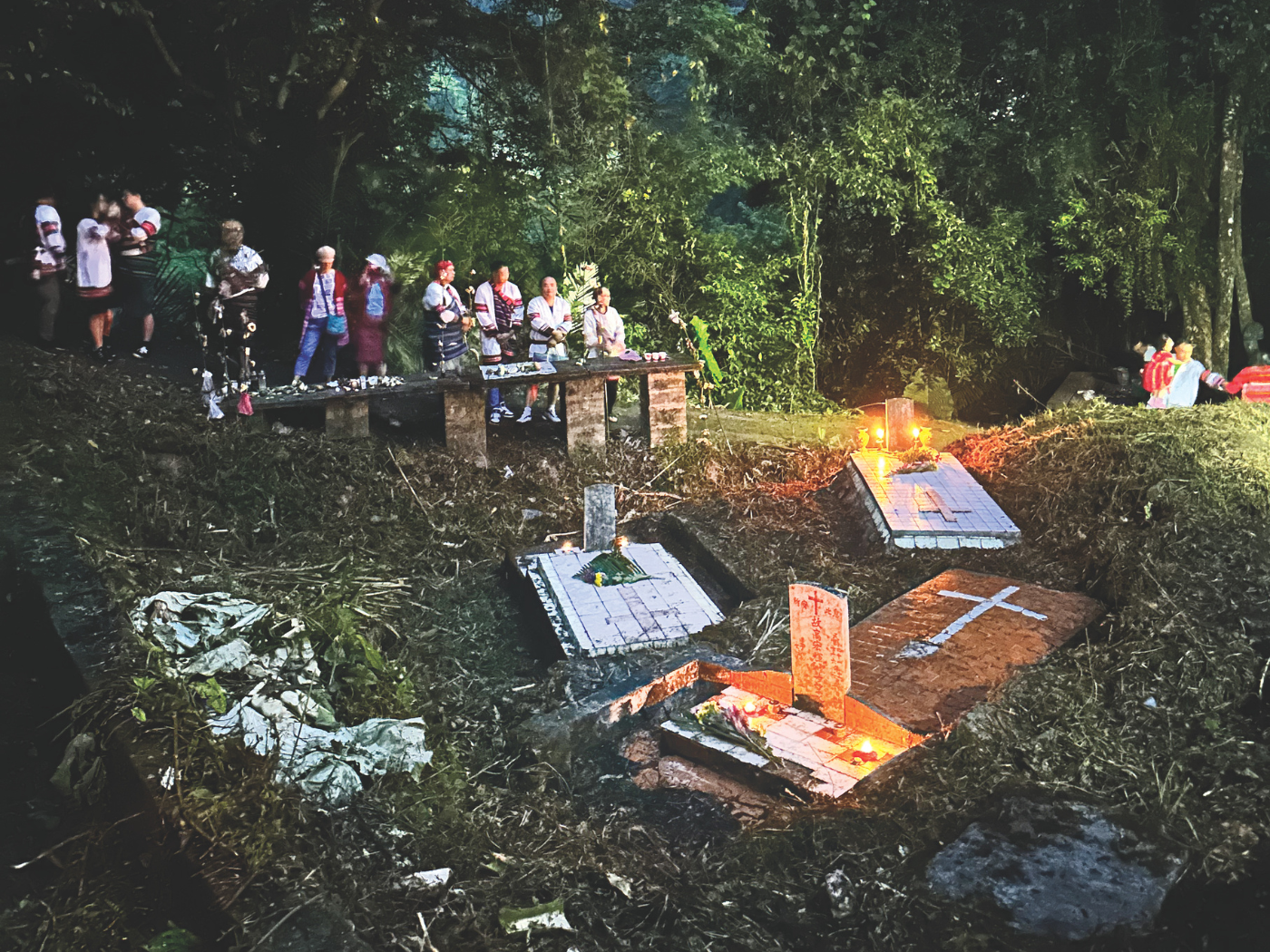
For Taiwan’s Indigenous peoples, ancestors, memory, and ritual are not merely secondary cultural elements. Rather, they lie at the very heart of the community, revealing who the people are and the history and way of life on which they stand. Indigenous communities have preserved their identity through their languages, oral traditions, rituals, and the memory of their ancestors. For them, remembering their ancestors is profoundly important, and the prayers and rituals offered for them are not simply customs, but an integral part of life itself.
When I speak with Indigenous Elders, I often hear them say that, in the past, 80 to 90 percent of the Indigenous people living in the mountains were Christians. When I ask how so many were able to embrace the faith, they explain that the way God’s love was lived out resembled their ancestors and the teachings those ancestors passed down.
Though November traditionally for many Catholics is the month when we remember our dead, here July and August are the most important seasons for ancestral remembrance rituals among Indigenous communities. In each village, under the leadership of the chief, families and relatives gather on the same day, dressed in their traditional clothing. They begin the ritual before sunrise, because they believe that once the sun rises, the spirits depart. The ceremony opens with the chief’s prayer. First, a ritual is offered for all the ancestors of the community, followed by rites for the ancestors of each individual family.
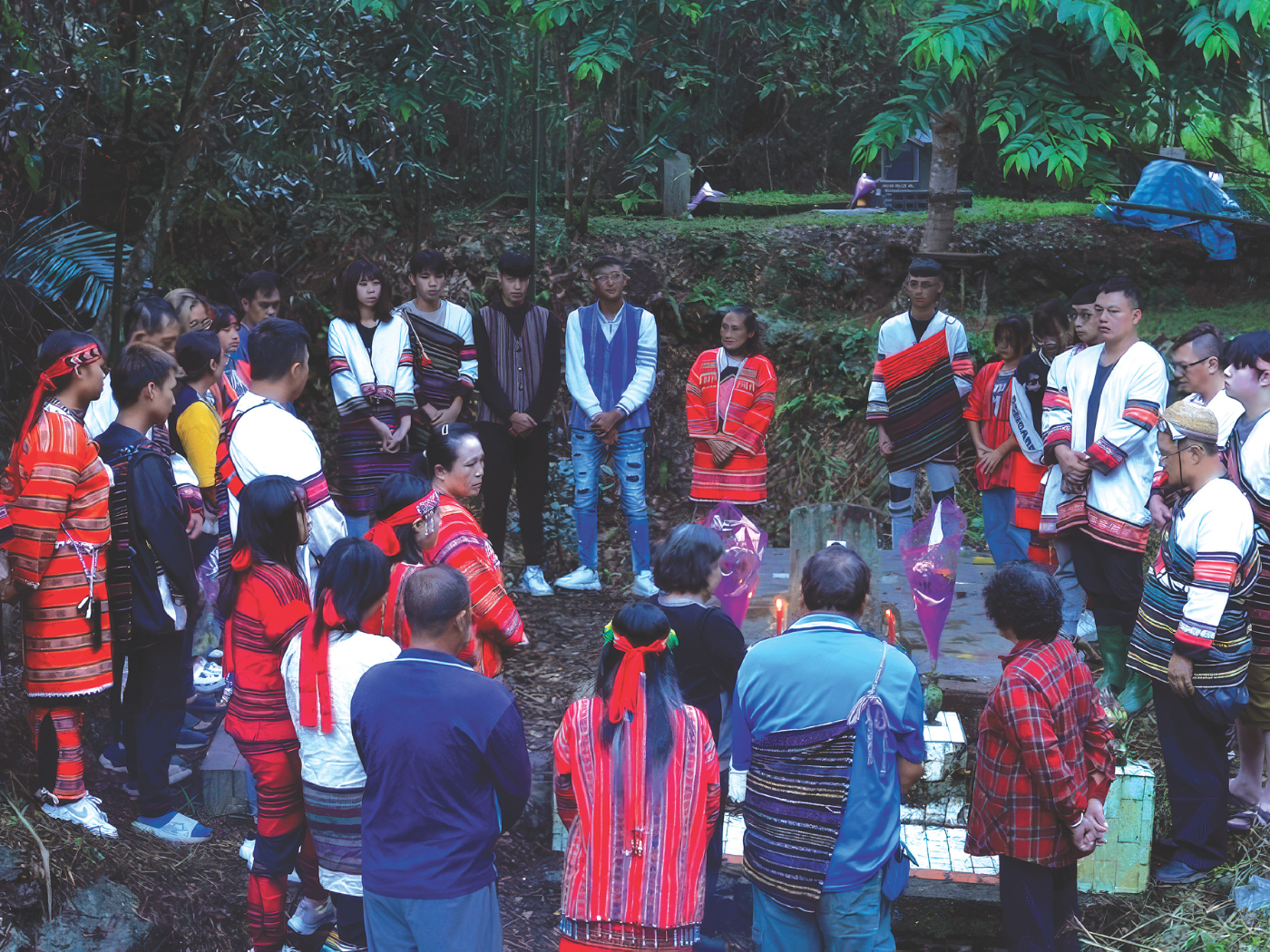
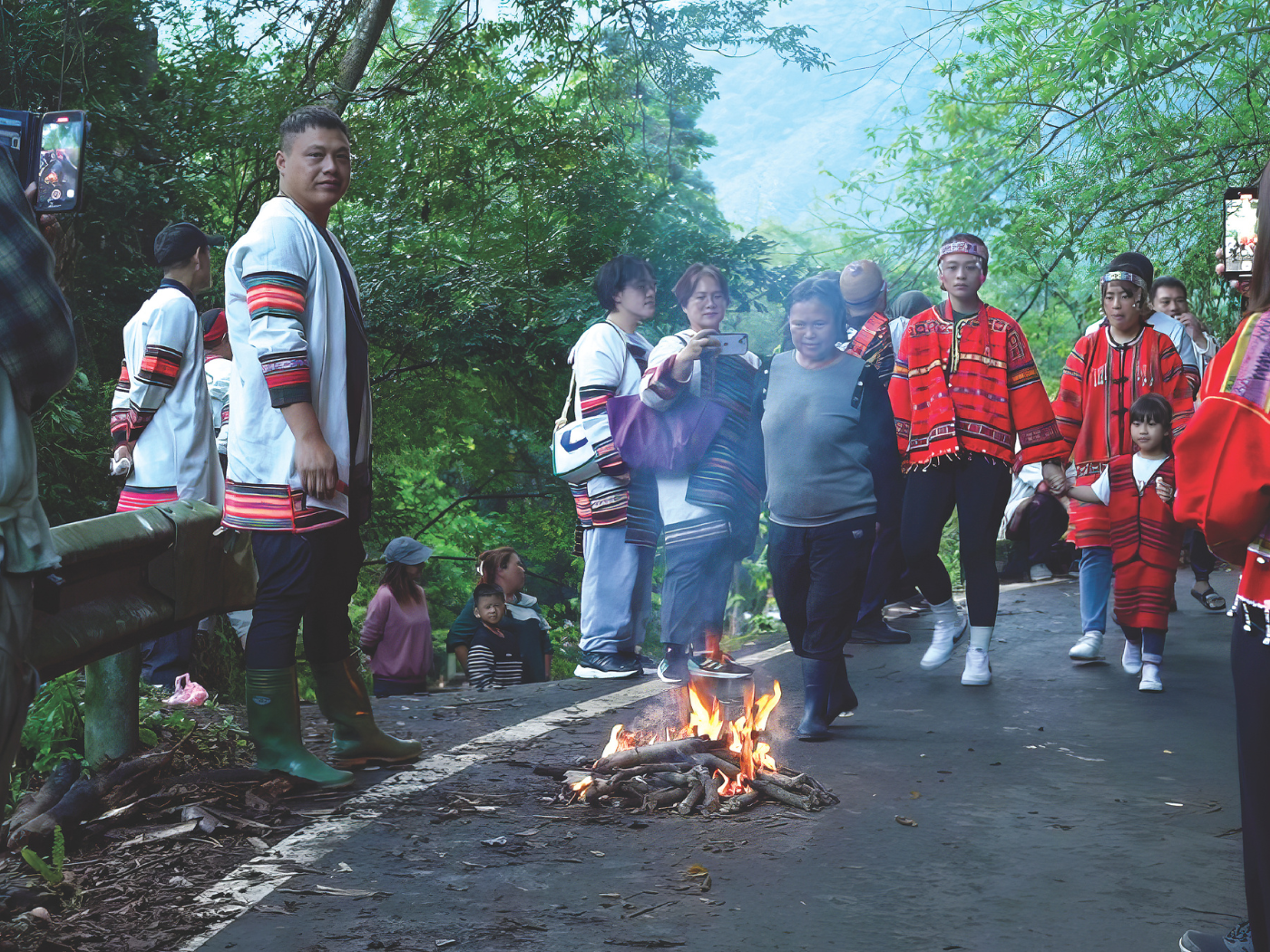
After this ritual at the communal cemetery is completed, the participants jump over a fire lit at the entrance to the burial ground. This is meant to prevent the spirits of the ancestors from crossing the boundary between the other world and this one. Afterwards, back in the village, the elders of each household sit together in a circle to discuss important matters concerning the community, while others share the food they have prepared and spend the day together.
In Indigenous communities, the memory of ancestors is not simply an act of remembrance. Ancestors are not regarded as figures of a distant past, but as a living presence that continues to shape the community through its language, stories, rituals, and moral way of life. I, too, have participated in these rituals and shared in those moments. What I witnessed in the Indigenous community’s rites and ways of remembering was deeply reverent, and I could feel the sincerity of their longing for their ancestors. I believe that my participation was not simply that of an observer, but an important act of understanding their culture, accompanying them, and deepening our relationship.
When I began my pastoral ministry in the mountains, I was also given a new name. To receive an Indigenous name means that one has been accepted by the community. Usually, when a child is born, the chief of the village or a respected elder gives the child a name. The name itself does not necessarily carry a particular meaning; rather, it is often given in the hope that the child will live well, following the example of someone from the past who was remembered as having lived a good life.
During Mass, we also sing hymns based on traditional Indigenous melodies. These are songs that have been traditionally sung, but whose lyrics have been adapted into words of praise and thanksgiving to God. This is a good example of inculturation, in which Indigenous tradition and Catholic liturgy come together in harmony. Through these songs, Indigenous Catholics can experience their own tradition within the celebration of the Mass while at the same time offering praise to God.
During the Christmas season, although the Catholic liturgical norm is to wear white vestments, red vestments are sometimes worn here instead. This is because red symbolises joy and hope for the people. One cannot simply judge this as right or wrong. What matters is discerning how the Gospel is alive within these differences, while acknowledging them for what they are.
Ultimately, in pastoral ministry with Taiwan’s Indigenous peoples, the issues of ancestors, memory, and liturgy involve respecting the living memory of Indigenous communities while seeking together how that memory can be newly interpreted in Christ and rightly expressed within the liturgy. Liturgy should not be a form that overwrites Indigenous culture. Rather, it should be a space that sheds new light on their memory and history, allowing them to come alive more fully and fruitfully within the Gospel.