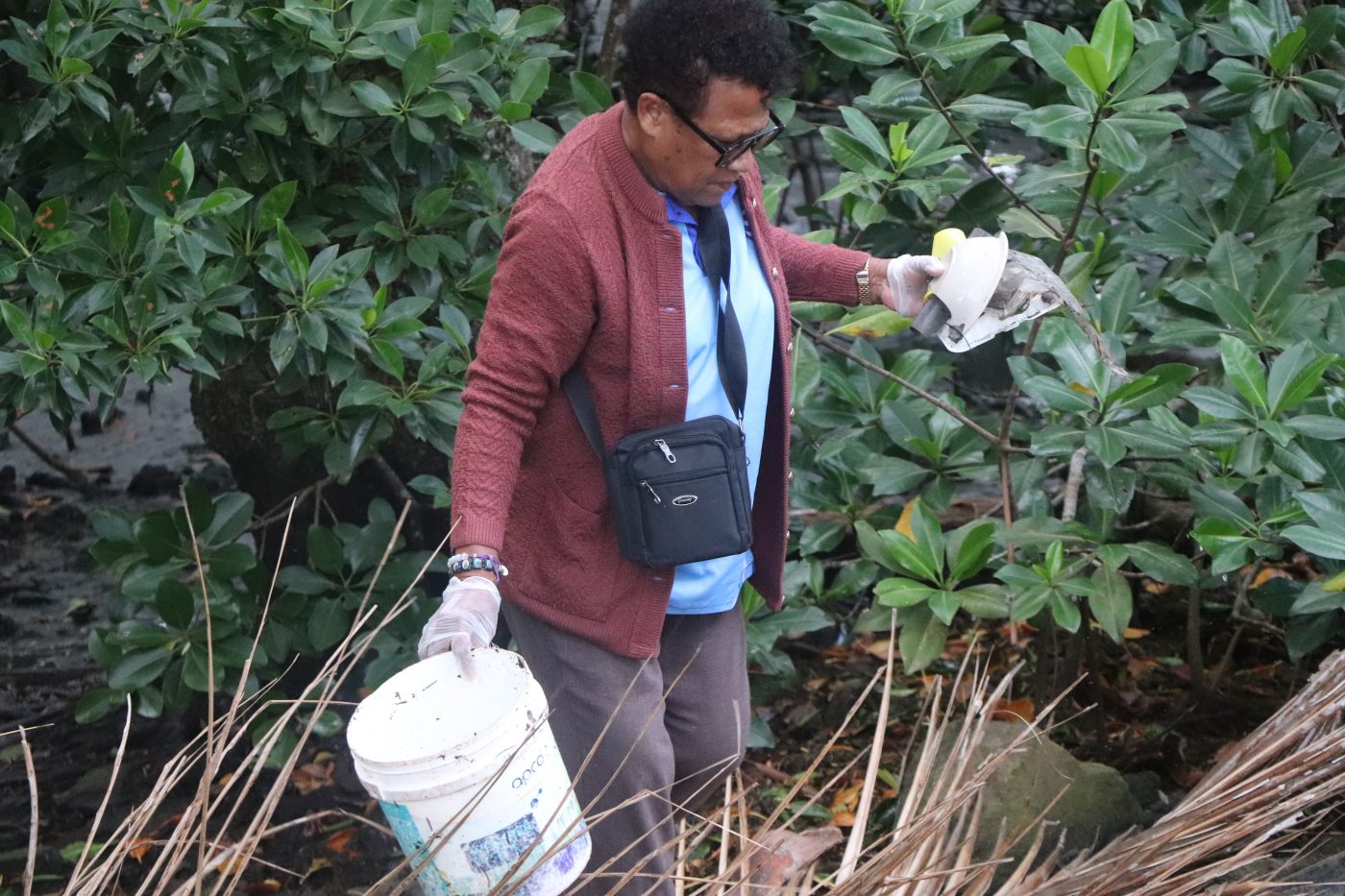
Members of the Columban Companions in Mission (CCIM) in Fiji came together recently for a beach clean-up at the Nasese foreshore in Suva, demonstrating the Columban commitment to protecting and restoring biodiversity. Columban Justice Peace & Integrity of Creation Coordinator (JPIC) Noa Mervyn Tuivunilagi attended, as did Lay Missionary Naanise Mo’unga, who supports the Columban mission in Fiji and has long encouraged practical action to care for our common home.
The clean-up was organised by the CCIM, a national movement and group of voluntary supporters of Columban mission, a living legacy of Columban impact through pastoral and missionary guidance in Fiji. By caring for local ecosystems and encouraging communities to become active stewards of creation, the group are putting faith into action.
Despite the cool, windy conditions of Fiji’s winter, volunteers gathered along the shoreline to mark World Environment Day and World Oceans Day. Although temperatures reached around 18°C, the coastal winds made for a chilly morning as the group set about clearing litter from one of Suva’s most recognisable coastal areas; Nasese foreshore.
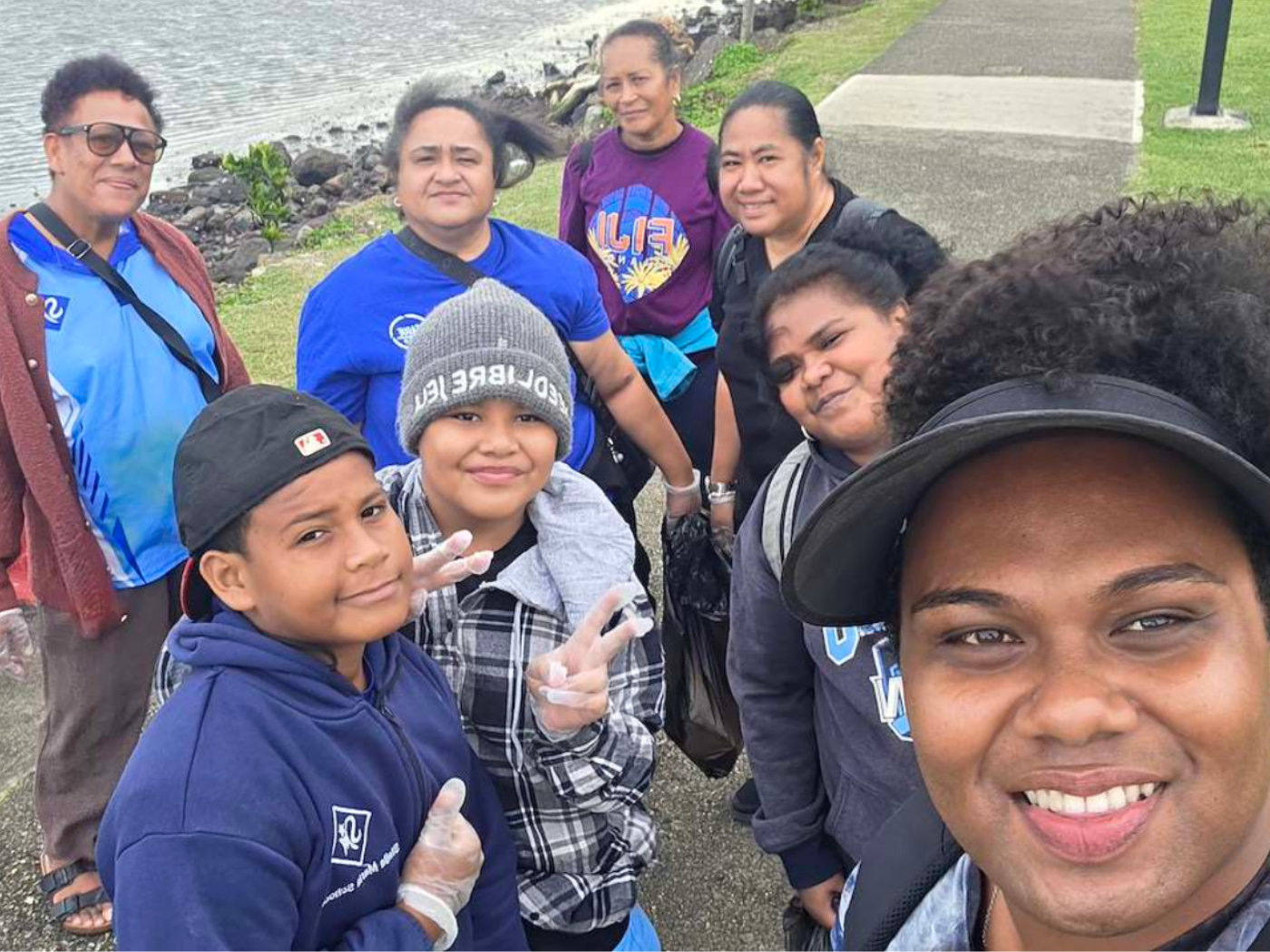
This area is beautifully lined with red and black mangroves, locally known as dogo and tiri. These mangroves naturally thrive around Suva in the intertidal zones and play an important role in protecting the coastline from erosion, reducing the impact of large waves and providing essential habitats and a food source for many marine organisms, making them critical to the health of the local marine ecosystem. Healthy mangrove forests are essential for maintaining biodiversity and supporting coastal communities.
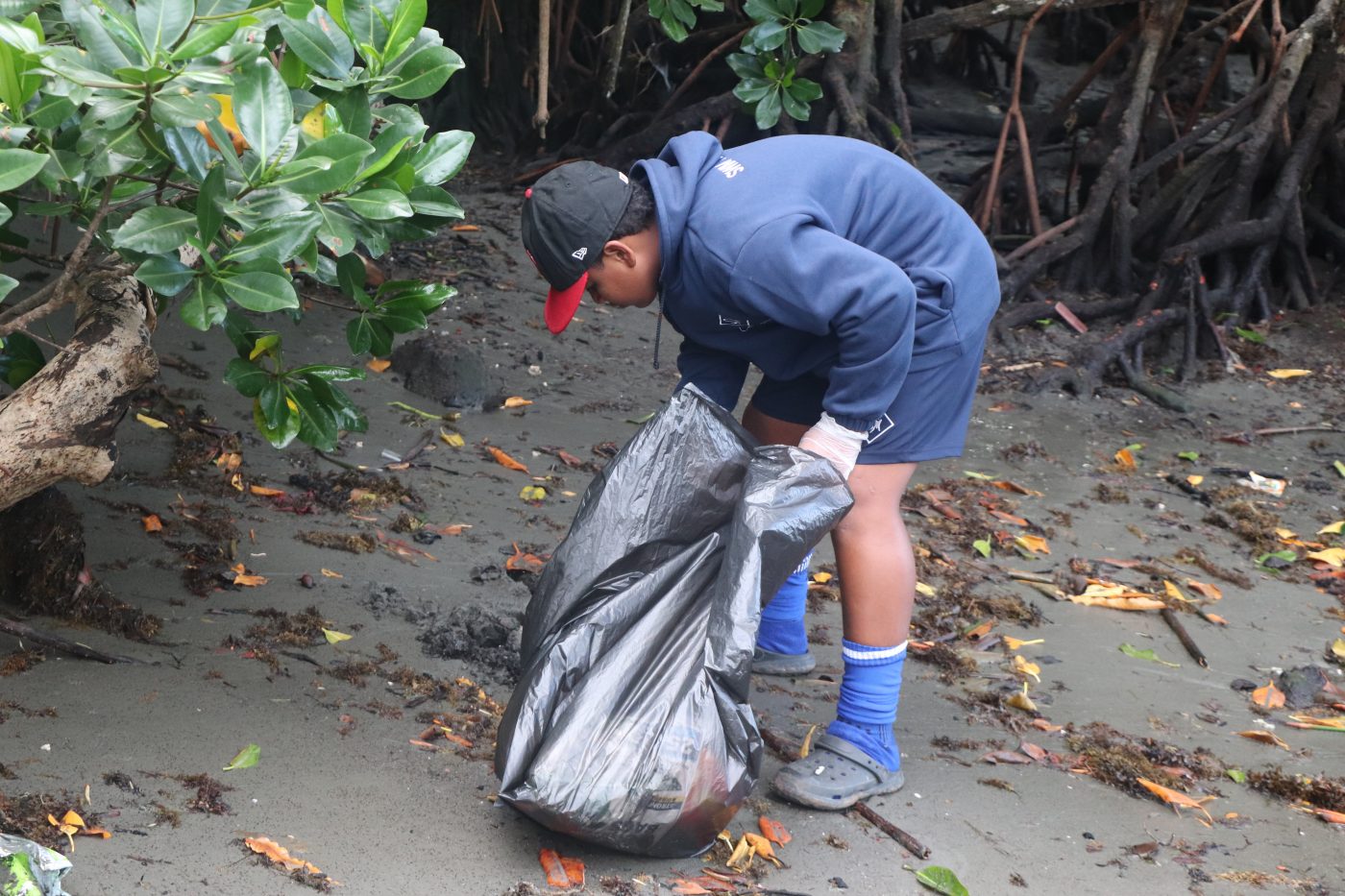
“With the few who came together to clean, we managed to fill more than six bags of plastic waste and rubbish collected from the foreshore, much of which could have entered the sea, threatening marine life and damaging the mangrove habitat.” said Noa Noa Mervyn Tuivunilagi, the Columban JPIC Coordinator for the Oceania Region. “It shows that even a small group of people can make a positive difference. We hope to build on this by making the beach clean-up a monthly initiative, inviting more people to join us in protecting Fiji’s coastlines and its rich biodiversity.”
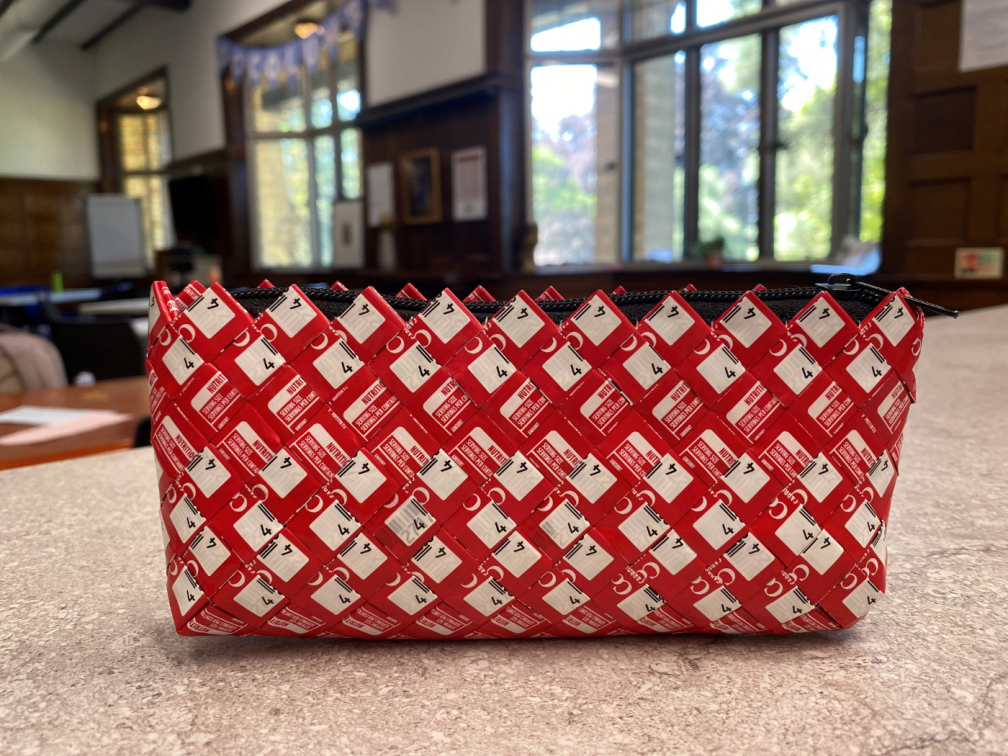
The nation of Fiji generates around 15,000 tonnes of plastic waste annually, of which only 10% is recycled or properly disposed of. Plastic pollution poses a significant threat to coastal communities, marine ecosystems and the country’s tourism industry.
Protecting places such as the Nasese foreshore reflects one of the Columban Missionaries’ global mission priorities: the protection and restoration of biodiversity. Across the world, Columbans work alongside local communities to safeguard habitats, restore ecosystems and respond to the environmental challenges facing our common home. In the Philippines, Columban missionaries are working alongside Higaonon Indigenous communities in Mindanao, to protect and restore biodiversity by growing native tree species. Reforesting ancestral lands with indigenous trees helps restore wildlife habitats, strengthen ecosystems and protect vital watersheds, while respecting the Higaonon people’s deep spiritual and cultural relationship with the land.