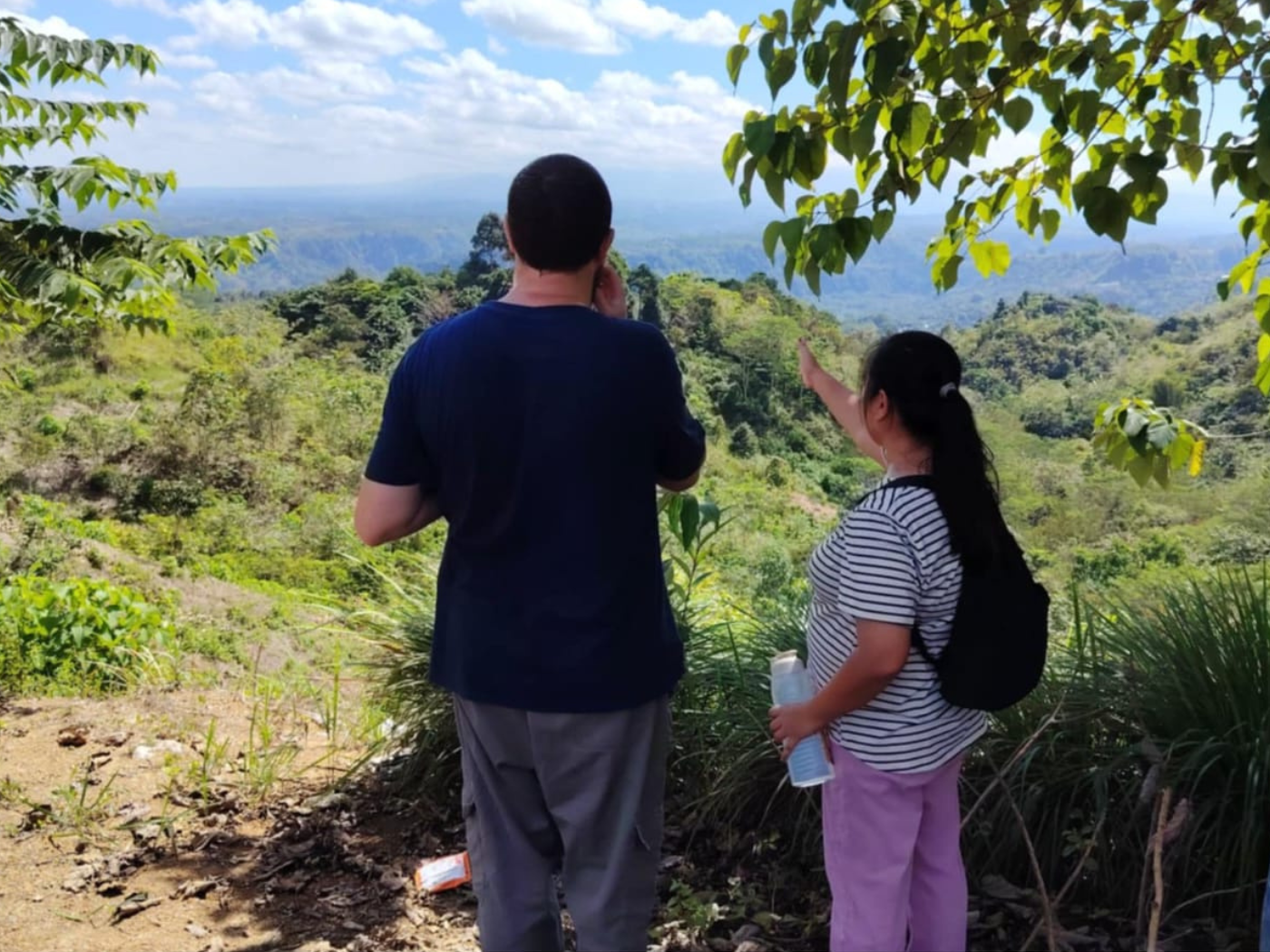
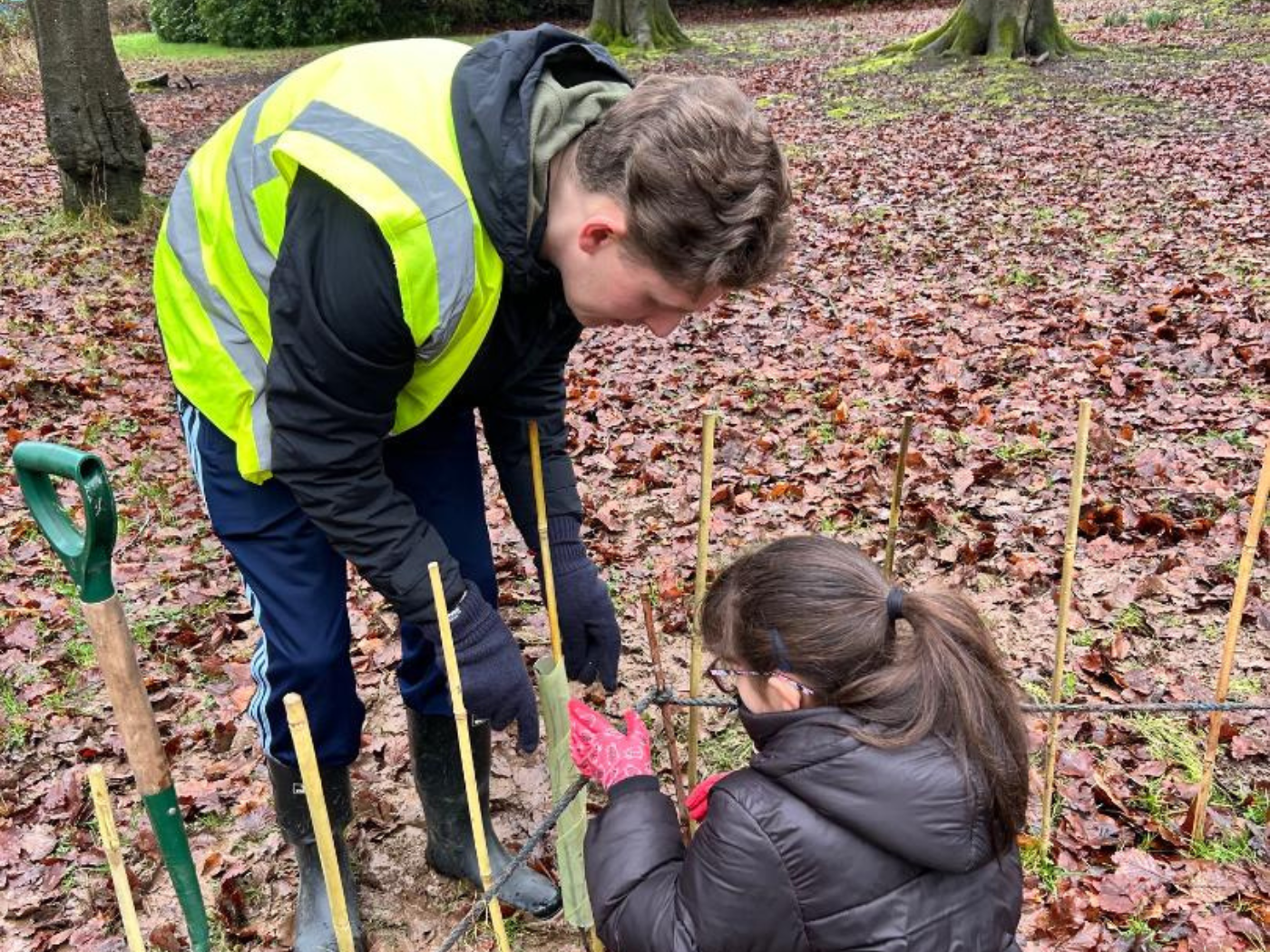
Tree planting involving local children was the latest re-wilding initiative at the Columban HQ in Solihull, England, on 9 February. Thousands of trees have been planted and wildflower spaces created over the past few years, showcasing community-driven environmental stewardship and optimism. Richer habitats encourage wildlife and a culture of care is fostered in the young. Rewilding rebuilds ecosystems that have previously been modified by human disturbance, using the plant and animal life that would have been present had the disturbance never occurred. In doing so, rewilding restores the natural processes that provide humanity with clean air, water, food, shelter and medicine. And it creates spaces for wildlife to thrive.
This month, on the 3rd March, we celebrate United Nations World Wildlife Day. It is an opportunity to celebrate our incredible natural world and the remarkable places that we call home. It also celebrates wild animals and plants, recognizing the unique roles and contributions they make to people and the planet. Medicinal plants are particularly being celebrated this year, but all plants and the whole natural world provide health, food and livelihood benefits to human society.
At our Columbans HQ in Solihull, the experience of being outside, engaging with nature and faith helped children to get their hands dirty in the soil and learn to appreciate it, explore pond life, marvel at the Columban bee hives, and learn about harmful impacts of pollution and habitat destruction.
This is all in line with the Columban mission priority of protecting biodiversity. Making peace with nature and nourishing biodiversity is integral to Columban Mission. Hearing the “cry of Earth and the cry of the poor” – according to the 2015 papal encyclical ‘Laudato Si’, is essential to living the Gospel. Columbans supported the last UN Conference on Biodiversity in 2024 (COP16) and its call to arrest the decline of biodiversity for the sake of the next generation.
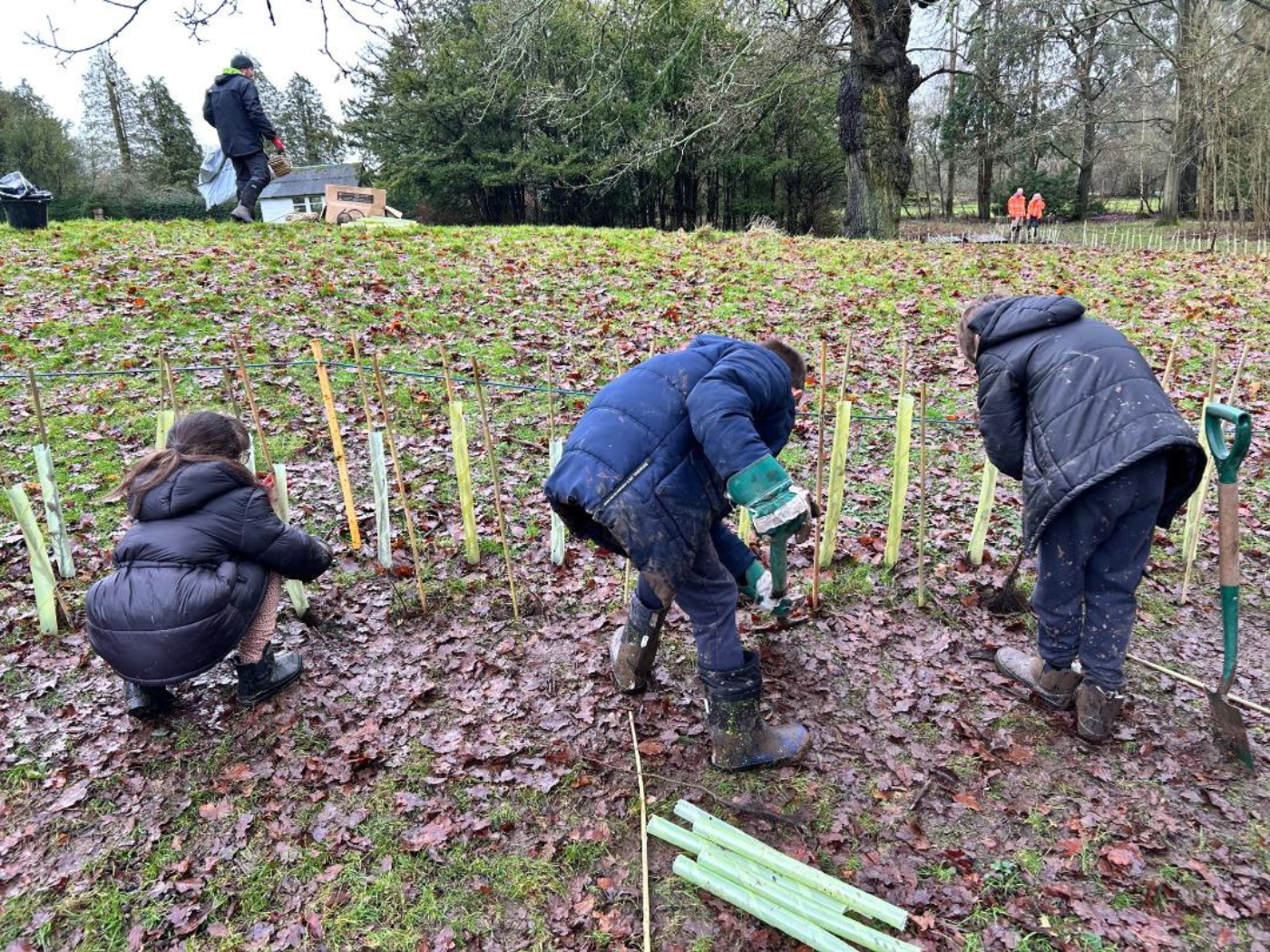
Practical action here in Britain is linked with solidarity for communities on the front line of the climate crisis in the Philippines. Nearly 30 schools in Britain are now engaged in a five-year solidarity education programme with the Higaonon on southern Mindanao Island. An area has been reforested with native Lauaan trees, providing new habitats. The community also advocates for the rights of nature in the face of the throwaway culture, extractive industries and corruption.
Nature is still being lost at an alarming rate. Global wildlife populations have declined, on average, by 73% since 1970. Climate change is reshaping life itself, with the unprecedented rate of human-caused warming unravelling relationships that species have depended on for millennia. This is why World Wildlife Day is so important.
Yet, in recent years, as awareness has grown, we have seen habitats restored and species brought back from the brink. Natural World Heritage sites make up less than 1% of the Earth’s surface but protect over 20,000 globally threatened species. We must celebrate conservation success around the world as zoos, aquariums, botanic gardens, nonprofit organisations, civil society partners, and communities take action to protect biodiversity.
The Catholic Church is making its contribution. In Ireland, March 2023 saw the Irish Bishops’ Conference direct parishes to return 30% of church grounds to nature by 2030. “Parishes are asked to expand their circles of solidarity, to protect and care for biodiversity and creation on 30% of their grounds, and to care for this as a haven for pollinators and biodiversity, that can be enjoyed by the whole community,” said the bishops. In Britain, Christian groups are currently lobbying the UK government to say that people want more nature and less destruction. This means more safeguards in our region, which is one of the most nature-depleted in the world.
Here in London, I am enjoying the Springtime. My garden is displaying snowdrops, primroses and the first daffodils. The wonderful symphony of bird song at sunrise and sunset is getting louder in anticipation of longer warmer days. Grey squirrels run up and down our mature Ash trees and sometimes we see a visiting deer from a nearby priory. My life in enriched by these beautiful friends, and future generations too deserve this blessing. To value and conserve nature we need to reshape the relationship between people and the natural world.