Nowadays, people are using plastic more often. When we go to the market, almost everything is packed or wrapped in plastic, whether food or other personal or household items. For me, this is one of the biggest challenges our world is facing today: the massive amount of plastic in our waste. Some people simply throw plastic away anywhere. Worse still, plastic is thrown into rivers, contaminating the oceans and affecting the wellbeing of some, if not all, sea creatures. Plastics that are burned also contribute to the worsening problem of global warming.
Here in Myanmar, the issue of plastic pollution is very similar to Chile. People use a lot of plastic for different occasions and celebrations: balloons and other non-biodegradable materials for decoration, chopsticks wrapped in plastic, water served in small plastic bottles, and, most of the time, tables covered with single-use plastic. After the event, without proper waste management, these items are simply put into the trash and thrown away.
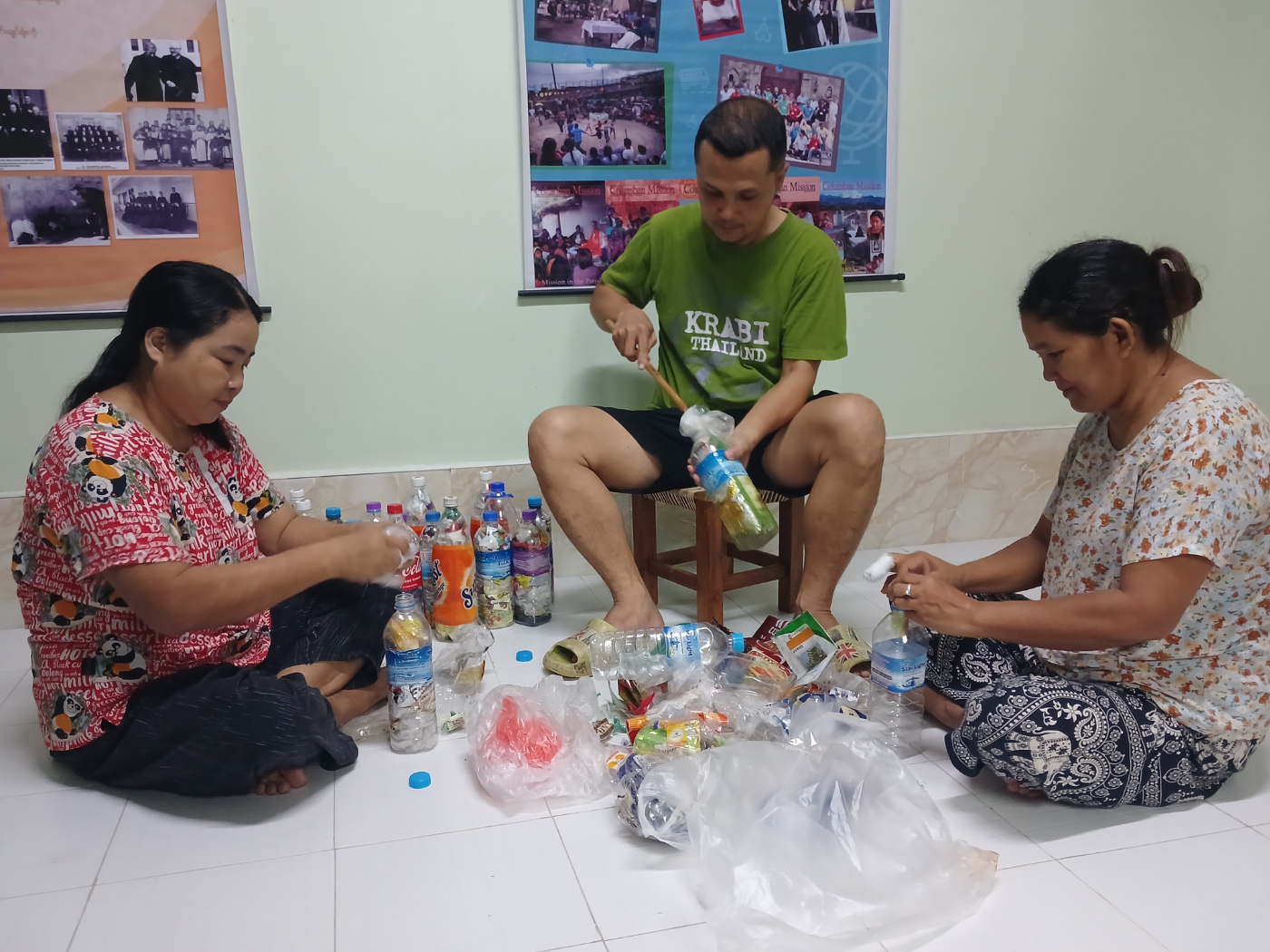
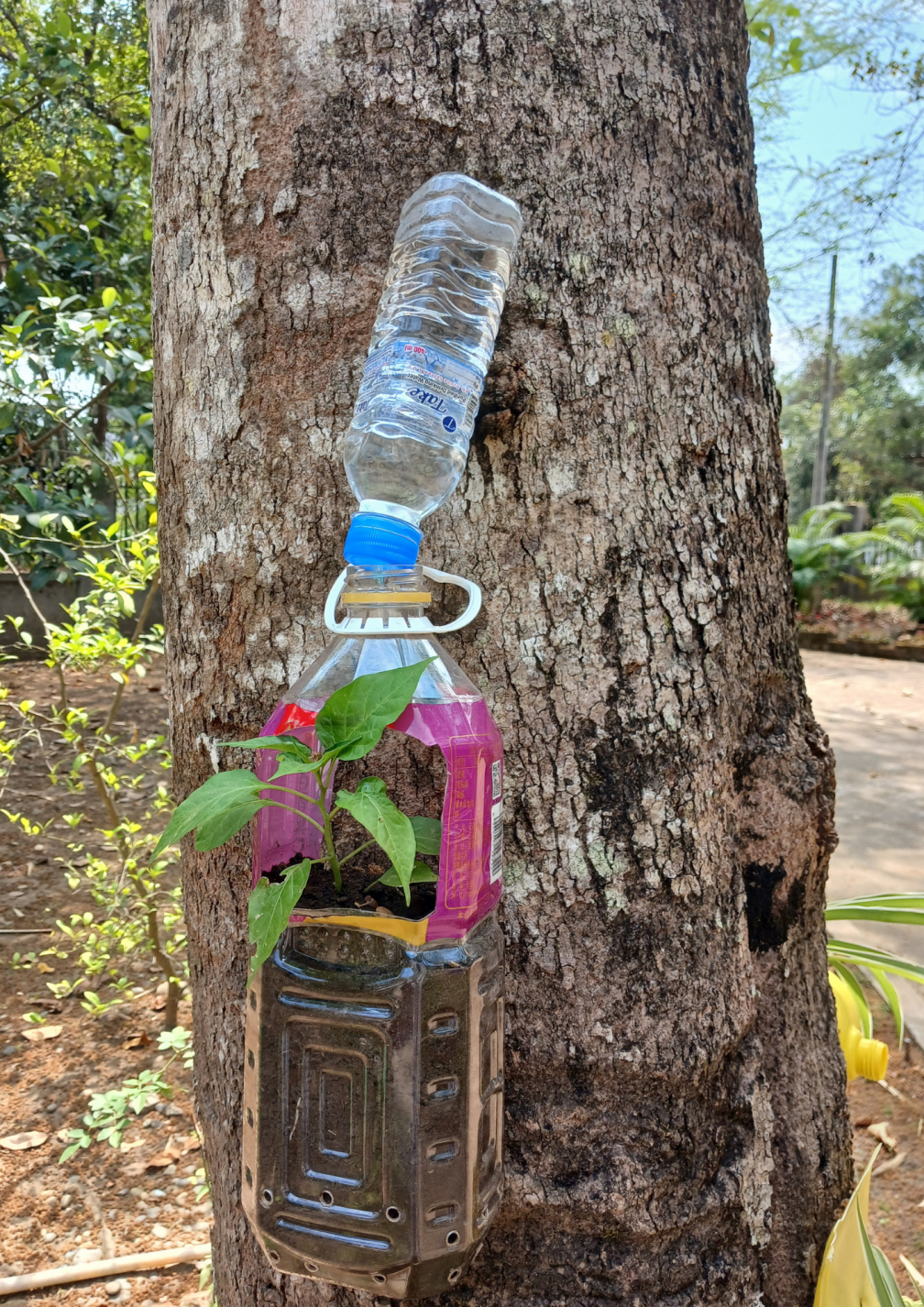
Being aware of this problem, I usually bring my plastic waste home, regardless of its size. In the Columban central house, I collect plastics and patiently place them into plastic bottles, as I did in Chile. After several weeks of accumulation, I use them as “bricks” around plants. For larger and thicker pieces of plastic, I reuse them by filling them with soil and planting vegetables such as mustard, chillies and lettuce.
Many times, people misunderstand me for collecting plastics, thinking that I am crazy for collecting rubbish. It does not bother me at all. Instead, I use this opportunity to educate them about the effects on the environment if we continue burning plastics and dumping them anywhere.
While serving in my first mission in Chile as a Columban Lay Missionary ten years ago, I collected our plastic waste and placed it into plastic bottles for the Dominican sisters to collect. They then donated these to an organisation that used them to build something with the materials. At times, we collected the plastics together while they explained to me what the project was all about. Even though I did not fully understand it at the time, my main concern was simply not to throw rubbish anywhere, especially plastics, so that we could help create a healthier environment.
This commitment to reducing plastic waste reflects one of the wider Columban mission priorities, which is the protection and restoration of biodiversity. Across the world, Columban missionaries work alongside communities to respond to environmental challenges, raise awareness and encourage practical action that protects our common home. By changing everyday habits and helping others to see the impact of plastic pollution, small actions can contribute to a more sustainable future for all of creation.