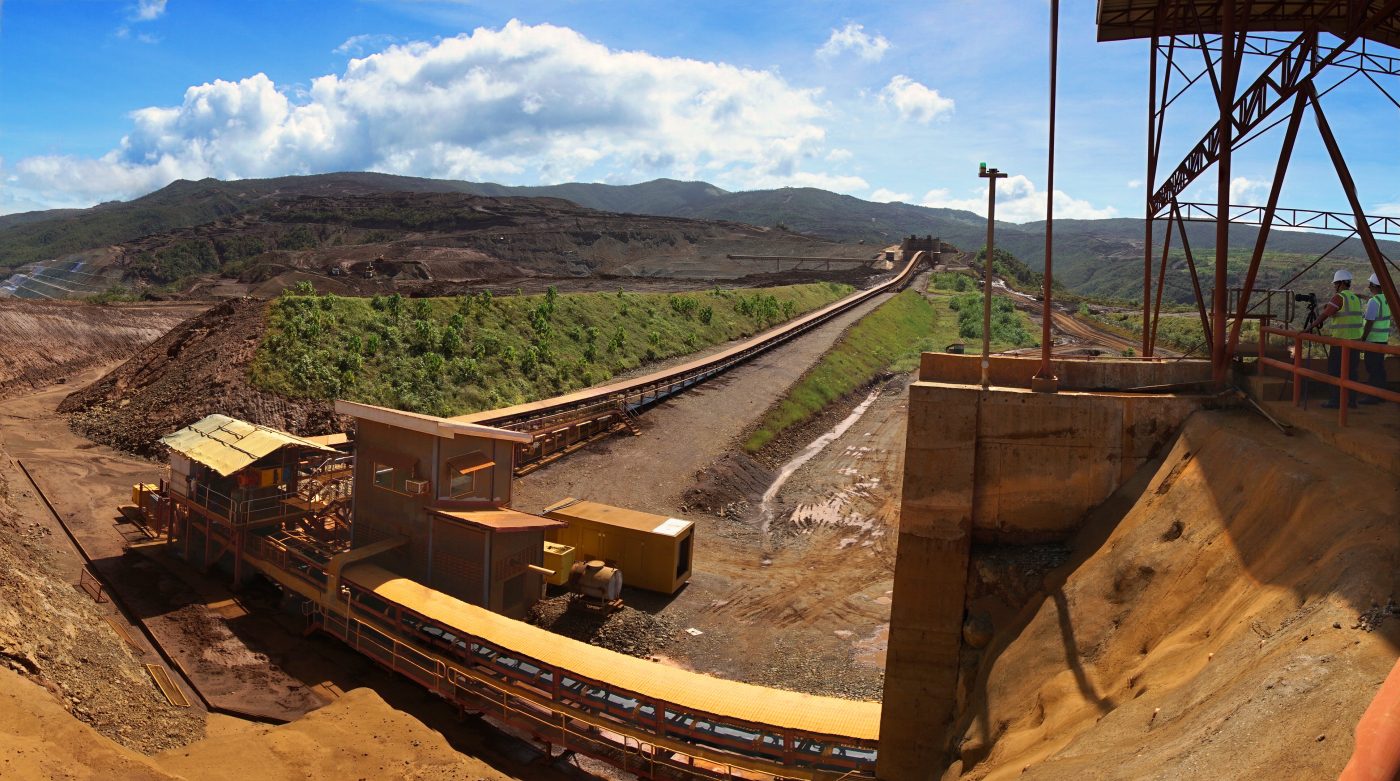
The Philippines is blessed with great mineral wealth. It has an abundance of nickel, copper, gold, cobalt, chromite, iron ore, manganese, zinc, lead, mercury and even rare earth elements. It also has vast resources of renewable energy — wind, solar, hydro, geothermal and biomass — yet it depends on burning coal, the most hazardous fuel in the world.
It has a highly educated, culturally diverse, talented and intelligent population, and yet there is wealth disparity.
Out of the country’s population of 117 million gifted, kind and generous Filipinos, approximately 14 million families (51 percent) considered themselves poor in 2025. Of this figure, approximately 5.5 to 6 million families said they experienced involuntary hunger — that is, near starvation — at least once in the previous three months. Within that group, 1.2 million families (about 4.5 percent) said they experienced severe hunger, which means they go hungry often or always.
This great nation has one of the highest levels of wealth inequality because, out of 117 million Filipinos, there are 12 to 15 dollar billionaires and over 12,000 dollar millionaires, according to 2025–2026 reports. Less than 1 percent of the population owns and controls roughly 45 to 50 percent of the nation’s wealth.
Poverty and corruption spread downward to all sectors of society. Poverty grows due to the serious lack of industrialisation and dependency on remittances from 2.7 million overseas Filipino workers (OFWs), mostly in Asia, including the Middle East.
This is where the heart of the problem lies: lack of well-paying jobs creates poverty and hunger, and many in the middle class are living in debt.
The export of semiconductors is 50 percent of the total export revenue of the Philippines. However, the mining industries exporting unprocessed minerals to China contribute less than 1 percent to the country’s economy. In 2024, such exports were worth roughly $7.37 billion.
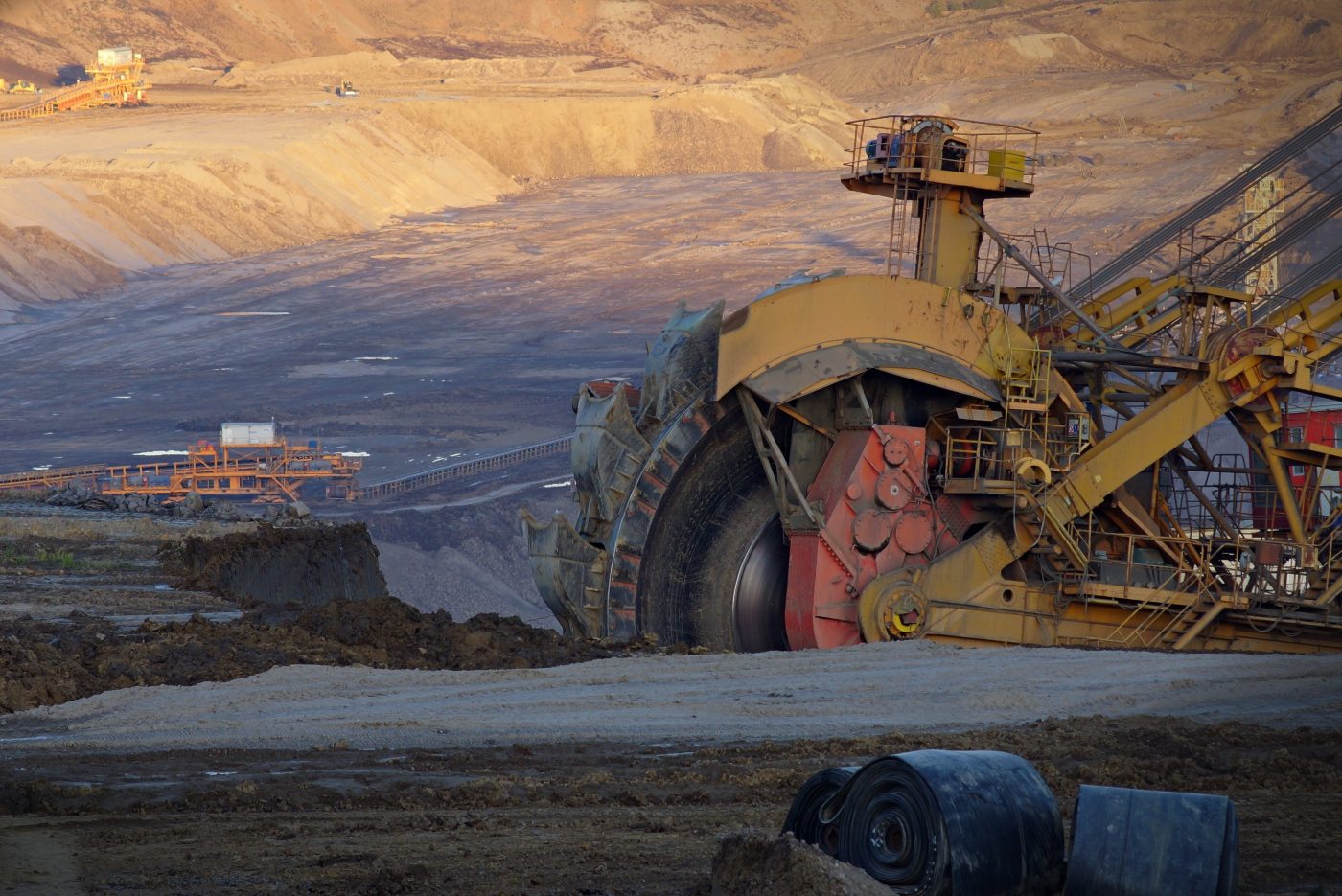
Little or none of this revenue benefits the Filipinos from whose ancestral lands the minerals were extracted. This is the injustice and shame of the nation that few know or care about.
Serious conflicts have broken out between the Lumads, Indigenous peoples of Mindanao, including the B’laan, Subanen and Manobo, because of the Tampakan Project operated by Sagittarius Mines in South Cotabato, Sultan Kudarat and Davao del Sur provinces.
These conflicts have lasted for decades, with as many as 5,000 people displaced and anti-mining advocates murdered.
In the Caraga region, specifically Surigao del Sur and Agusan del Norte provinces, mining companies reportedly operate with impunity. These corporations have allegedly moved into ancestral lands and damaged the environment, where nearly 84 percent of nickel tenements overlap with ancestral domains and biodiversity hotspots.
These environmental issues have resulted in violence and the highest recorded number of killings of Indigenous and anti-mining activists. As many as 298 land defenders have been killed; a third were Indigenous. They make up 15 percent (17 million) of the Philippine population and live with nature.
Philippine mining corporations are presenting themselves in the media as heroes and environmental protectors while covering up their detrimental impact on the environment.
They are using the military to force Indigenous peoples to sign consent papers for more mining operations and to evacuate their ancestral lands.
We should stand with these Filipinos suffering this injustice.