
For a very long time, humanity has pondered a single question: “What is the difference between humans and animals?” Countless scholars have offered various answers. The Catholic faith posits a ‘spiritual and immortal soul’ (the rational soul) as the most fundamental distinction. If so, how does this ‘soul’ operate within our concrete lives, beyond merely being the life force that animates our physical bodies?
What does the sun mean to me? What meaning do flowers and family hold for me? An intriguing fact is that creatures like plants and animals are merely physical ‘beings’ that remain for their allotted time and then disappear. To an animal, the sun is simply heat, and a flower is merely a means of survival. However, only humans look beyond what simply ‘is’ and endow it with ‘meaning’. We long for unseen values and breathe a spiritual breath into matter.
For instance, if a friend and I meet after a long time, embrace, and shed tears, it is not a biological discharge of moisture, but a ‘trembling of the soul’ where joy and longing intersect. If I give my mother a flower, it is not simply about transferring a plant; it is about expressing my love and gratitude in a tangible form. In this way, we bestow meaning upon ordinary objects and every simple action.
When we give them meaning, they finally bloom into true ‘existence’ within our lives. By passing through the entity of ‘me’, a simple burning star becomes the sun that shares life with the earth, and a fleeting emotion becomes eternal joy and love. It is a deep sanctuary where we bestow meaning beyond matter and long for an unseen eternity. This is precisely our ‘soul’.
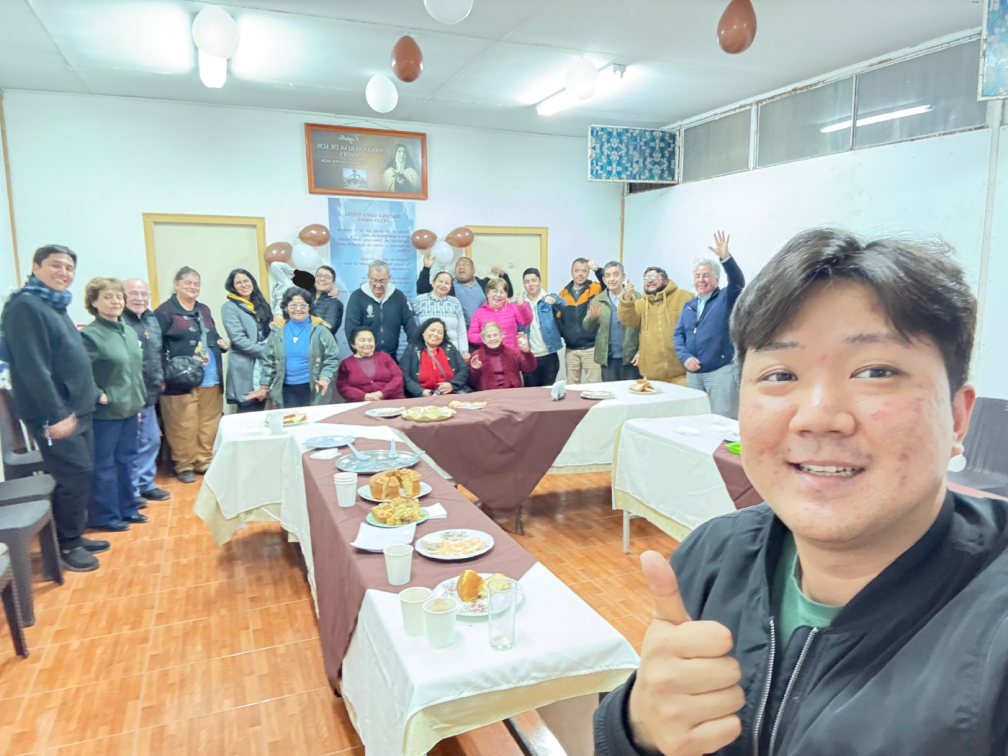
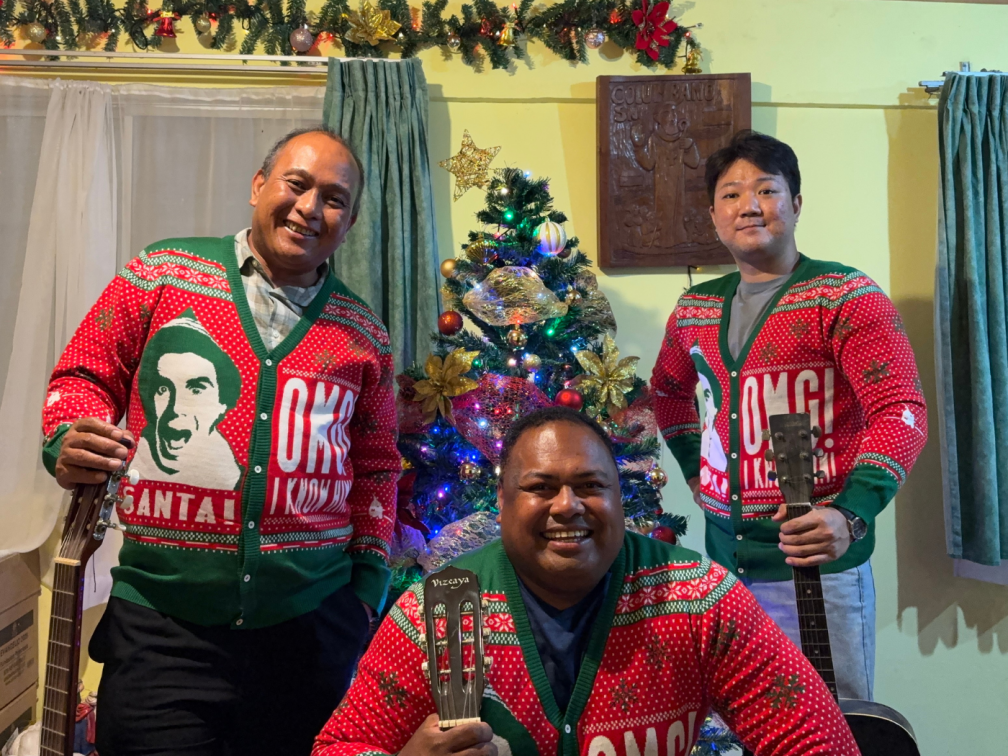
Last January, Columban Frs. Darwin Bayaca and Martin Koroiciri left Alto Hospicio, Chile, where I am staying, and went to the Philippines for a month to attend the Young Columbans Gathering in Baguio. Although I still faced various restrictions as a Columban student on my First Mission Assignment, I looked after the parish during that month by leading the Liturgy of the Word and taking Holy Communion to the sick.
Then one day, a Minister of the Eucharist from my parish, the Parroquia de Sagrado Corazón de Jesús, rang me. He asked if I could attend and preside over a funeral service that had suddenly come up. In Chile, the great majority of funeral services are usually done by the parish funeral team of lay persons, who ask the priest or deacon to accompany them, if possible. After much deliberation, I made my way to the funeral.
During the service, I had to offer a short reflection after the Gospel. Knowing nothing of the deceased besides his name, I invited family and friends to share their memories. One by one, they offered beautiful tributes and final goodbyes, revealing how deeply loved the deceased had been. Laughing and crying alongside them, I soon felt I was dwelling within their precious memories. Though the physical body had departed, the ‘meanings’ of love he left behind would live on forever in their souls.
This was the first time in my life as a seminarian that I had personally presided over a funeral. Being so inexperienced and, above all, facing a language barrier, I had no choice but to cling to God and plead for His help. I prayed earnestly that it would not be my own meagre abilities, but God’s mercy and love that would guide the service. Ironically, because I was so profoundly lacking, I was able to experience His presence so much more fully whilst there.
Returning home with a heavy heart, I spent time in reflection. Memories of my own family came to mind, leading me to realise that the past, present, and future are all grace-filled times permitted by God. Recalling my 30-day retreat during my Spiritual Year in formation, I was reminded of the overwhelming truth that God has been with me in every single moment. Therefore, no matter how ordinary or exhausting, every moment holds a profound, unfading meaning.
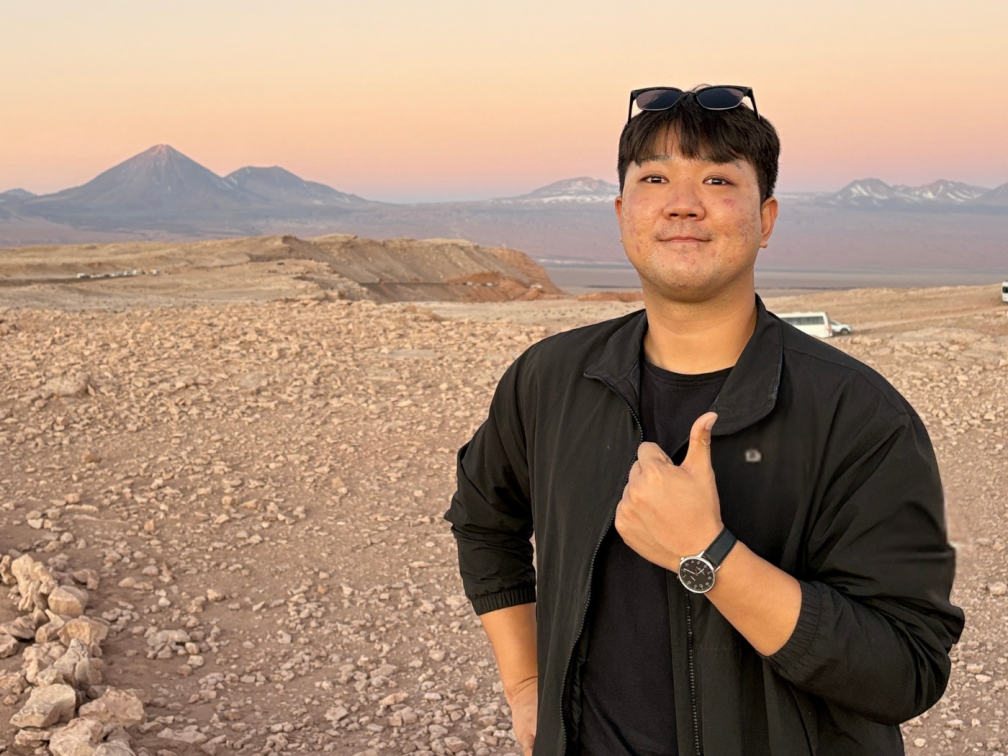
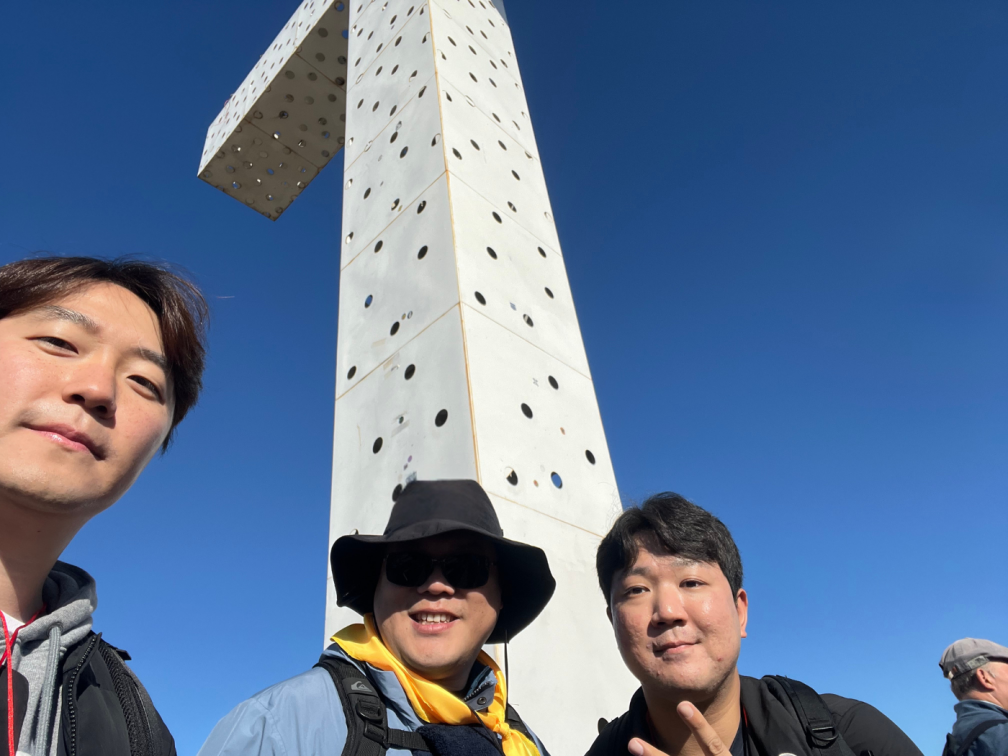
It has already been nearly two years since I arrived in Chile for my First Mission Assignment. Before long, I will leave Chile and return to the Columban international formation house in the Philippines to continue my studies. Hence, this present moment, as I prepare for the end of my First Mission Assignment, is incredibly precious and important to me. I am currently in the process of recalling the myriad ‘good things’ God has given me over the past two years, and wrapping up what the experiences in this mission field have meant for me.
“Ephphatha!” (Mark 7:34). My favourite verse in the Bible is the word spoken by Jesus in the Gospel of Mark when He heals the deaf man who had an impediment in his speech. This signifies more than the mere healing of a physical disability; it means the opening of ‘spiritual ears and tongues’. In other words, it is a true healing wherein one does not merely hear physical sounds again, but gains ‘ears that fully comprehend the Word of God’ and a ‘tongue that boldly proclaims the truth’, rather than one’s own desires.
Today, in deep silence, I earnestly ask Jesus: that through His command of “Ephphatha”, my soul may open its eyes and ears, allowing me to carefully retrace the precious time He has granted me here in Chile—to retrace the countless neighbours I have encountered, the tears shed at that faltering first funeral service, and the warm touch of God that came to me with fresh meaning in every moment.
Furthermore, I pray that my stiff tongue may be loosened, so that I might faithfully live out God’s love and proclaim the truth. I earnestly hope that He will lead me to the place of spiritual awakening—the miracle where all the hours of my life continuously bloom into new meanings within the grace of God.