
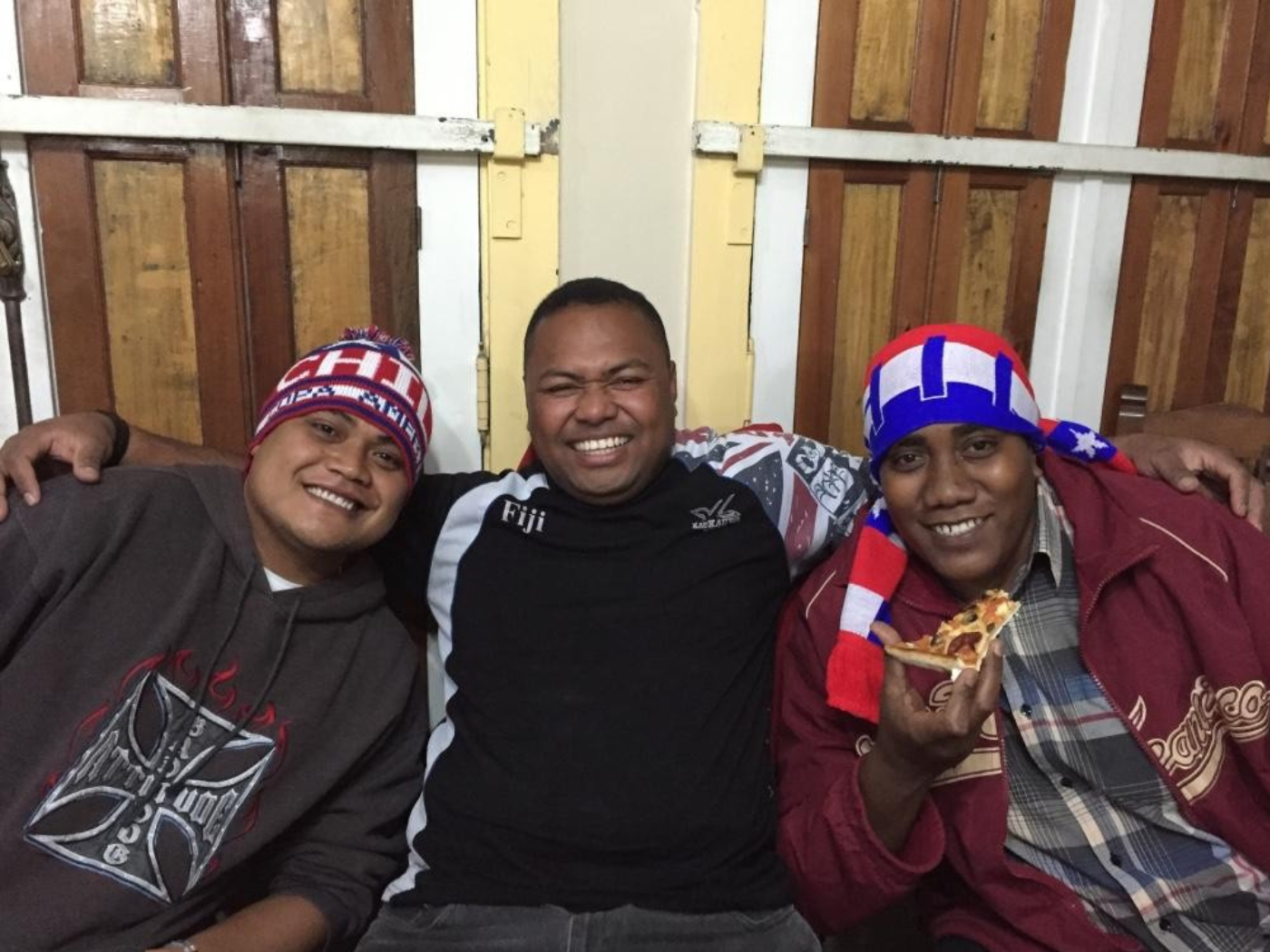
As I was on the last stage of my initial formation in the Columban Seminary, I was privileged to share a few moments with my fellow brother in mission, Fr. Amini Ravuwai, who was a couple of years behind me in the Seminary but had a strong conviction to serve in mission as well.
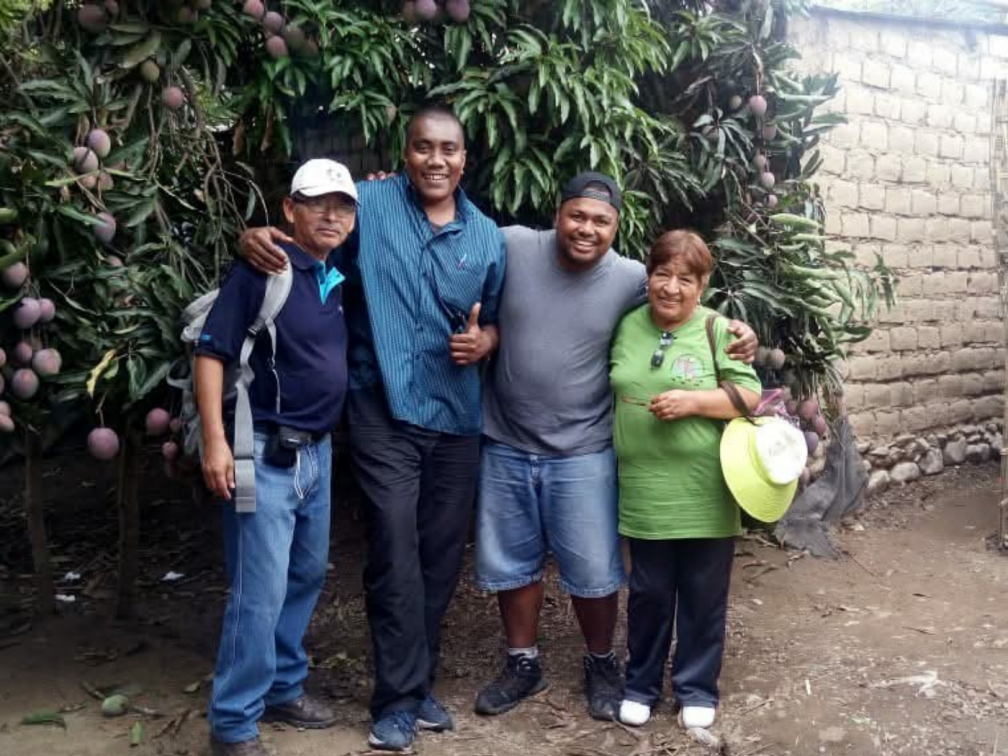
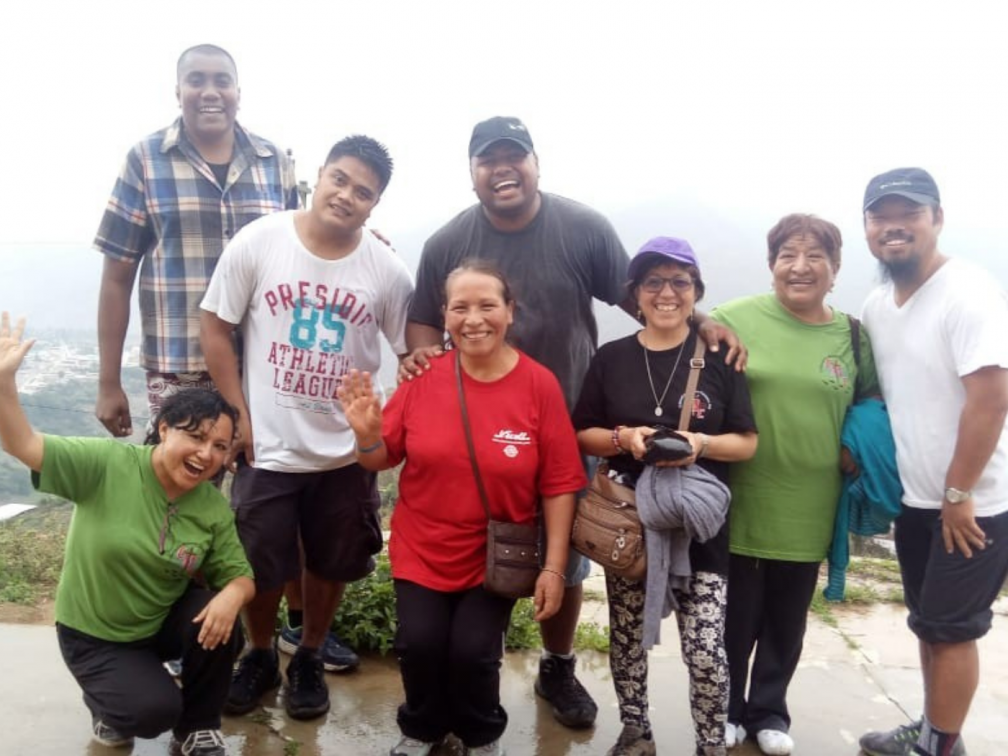
At one point, we were sent to serve in a summer mission in the north of Lima, Peru, in the middle of the desert—a small village called Cáceres, near the city of Chimbote. After a hard day visiting families in the area, we returned to the lodging house and sat on the street, overlooking the endless mountains of desert.
We sat there for a while, enjoying the cool breeze and the beautiful sunset, tired but satisfied with the day’s work. He turned to me and said, “Can you believe how far we have come? From the day we accepted the invitation to serve our wonderful God and walk into the unknown, we have journeyed from the tropical islands of Fiji to these desert mountains of Peru!”
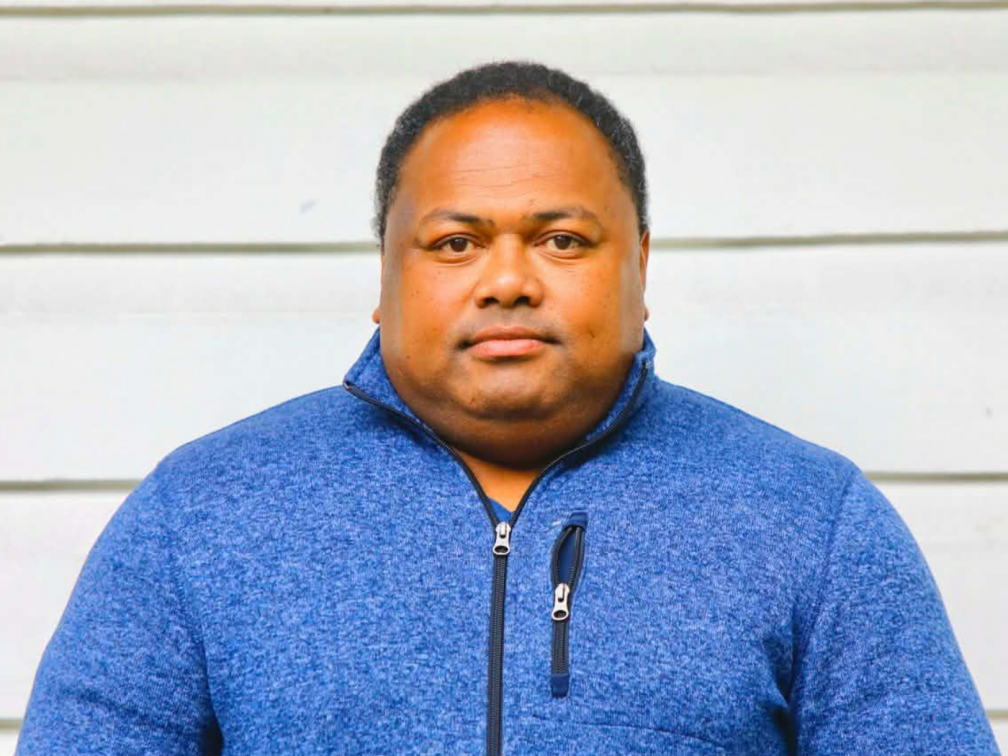
This reminded me of Joshua 1:9: “I hereby command you: be strong and courageous; do not be frightened or dismayed, for the Lord your God is with you wherever you go.” It was there and then that I had a profound experience of what it truly means to follow God into this beautiful journey into the unknown.
I was finally ordained in 2018 and sent to serve in Chile, while Fr. Amini was ordained in 2020 and sent to Peru. We would occasionally meet when I visited him in Lima, and we would share the joyful and challenging moments we had experienced in our mission journey, which was very encouraging and life-giving for both of us.
In 2024, during the Columban General Assembly in Lima, part of the informal conversations revolved around the possibility that some of us might have to leave our current places of mission to work in other countries, starting from scratch—learning new languages and adapting to new cultures. I found this daunting, as it had taken me a long time just to understand half of what people were saying in Chile, given how fast and challenging the Spanish was.
I feared what this might entail for me, so I called Fr. Amini and asked, “Brother, if you were told that, for the necessity of mission, you had to leave Peru and serve in another country, learn a new language, and start from scratch again, would you do it?” He asked what I meant and why I was asking. I replied, “Just answer from the heart.”
After a long pause, he finally said, “I have followed Him this far, and after all that He has given me, I am willing to follow Him anywhere.” I wiped the tears from my eyes and went back inside, my heart affirmed.
In September 2024, Fr. Amini was diagnosed with cancer, which surprised and worried me. I called him and asked how he felt. He said, “There are a lot of things going on in my mind, but one question resounds more strongly than any other: ‘Why? Why me? Why now? I am only beginning my mission, four years into the journey, and He has given me this.’”
I told him I could not answer the question, but I would pray for him and call him every day to see if he could find the answer.
On the ninth of January 2025, Fr. Amini breathed his last and passed away. He never told me the answer to his question. I kept praying, and for the first anniversary of his death, I decided to write a song about him.
It took a whole year to bring the words to paper, as the song revolved around the question he had asked me. After much discernment and prayer, and with the help of Fr. Napa and Fr. Iowane (my fellow Columban brother priests Who are still assigned to Peru), we finally composed the song. The hardest part was the chorus, but it was worth it—it answered my brother’s question, or at least, it reflected what we believed.
The first part of the chorus goes:
“Why me? Why now? I’ve just been anointed, why here? Why now? Is all I am seeking?”
The second part imagines God answering him:
“It is I who have called you, from the womb; it is I who have sent you, to be my voice to the poor.”
After all these roller-coaster emotions and this journey of accompanying him in mission, I realized that following Christ into the unknown is a sacrifice and a life-giving journey. To serve the poor is to laugh with them, cry with them, and, if necessity calls, to die with them.
Fr. Tony, in his reflection at the cemetery before we finally placed his body to rest, said that Fr. Amini gave his life to the mission until his final breath and was willing to be buried in his land of mission. Someone in the mourning crowd said, “And now he is part of us as well.”
In the silence that followed his burial, as the desert wind carried the last prayers into the evening sky of Peru, I began to understand what my brother had lived so faithfully. The question “Why me? Why now?” was never truly about timing or fairness. It was about trust. And trust, I have learned, is the deepest language of mission.
When we first sat on that dusty street in Cáceres, dreaming aloud about how far God had brought us—from Fiji to the deserts of Peru—we could not have imagined how far “wherever you go” would truly lead. Not just across oceans and continents, but into suffering, surrender, and ultimately, love poured out completely.
My brother followed Him this far. In the end, he followed Him all the way. His life became the answer he was searching for. He was called from the womb. He was sent to be a voice to the poor. And even in his illness, even in his dying, he remained that voice—preaching not from the pulpit, but from a hospital bed; not with grand homilies, but with quiet endurance and unwavering faith.
Standing at his grave, when someone said, “And now he is part of us as well,” I felt the truth of those words settle deeply within me. Mission had taken him from Fiji to Peru, but love had rooted him there forever. He was no longer a foreign missionary. He was a brother of the land; a seed planted in the soil he had come to serve.
And perhaps that is the mystery of this journey into the unknown: we never walk it alone. Not when we first say yes. Not when we are sent to new lands. Not when we face fears of beginning again. And not even when we pass through death.
The Lord who commanded us to be strong and courageous has remained faithful. He was there in the desert sunsets, in the laughter shared after long days of visitation, in the trembling uncertainty of new assignments, and in the hospital room where my brother wrestled with his final question.
I still do not claim to fully understand why it was him, or why it was then. But I know this: his life was not cut short—it was completed. Completed in fidelity. Completed in love. Completed in mission.
As I continue my own journey—into new places, new languages, new uncertainties—I carry his words in my heart: “I have followed Him this far… I am willing to follow Him anywhere.”
Mission is a journey into the unknown, but never alone. Because the One who calls us walks before us. And sometimes, He also walks beside us in the life of a brother who shows us how to say yes—until the very end.
Why me? Why now?
Verse 1:
I was born in a land far away, the stars and the ocean, they speak of our ways, Tukutuku Vinaka ni veilomani meu lai kacivaka, Uqe ni yaloqu, Peru au digitaka (Fijian Translation: The good news of love I was sent to proclaim, inspiration in my soul, Peru I chose)
Chorus:
Why me? Why now? I’m just being anointed. Why here? Why now? Is all I’m seeking. It is I who has called you, from the womb. It is who has sent you, to be my voice to the poor.
Verse 2:
Life was normal, the world keeps turning. Sunrise brings hope, sunset, thanksgiving. Then God gave a gift that left me dumbfounded, I fell on my knees and prayed, Lord show me the way.
Verse 3:
Kacikaci ni kalou meu sa gole yani, Ki vanua yawa yani digitaki meu lei veiqaravi, Noqu Viti lomani au boletaka e veisiga, Vinaka vakalevu na veituberi vei au. (Fijian Translation: The Calling of God for me to go forth, to a land chosen for me to serve so far away, My beloved Fiji I am always proud of you, thank you very much for everything you have given me)
Fr. Martin Koroiciri, Fr. Napa Tavo and Fr. Iowane Gukibau